








Newer
DDC Controller for HVAC: How to Evaluate Suppliers Before Placing a Bulk Order
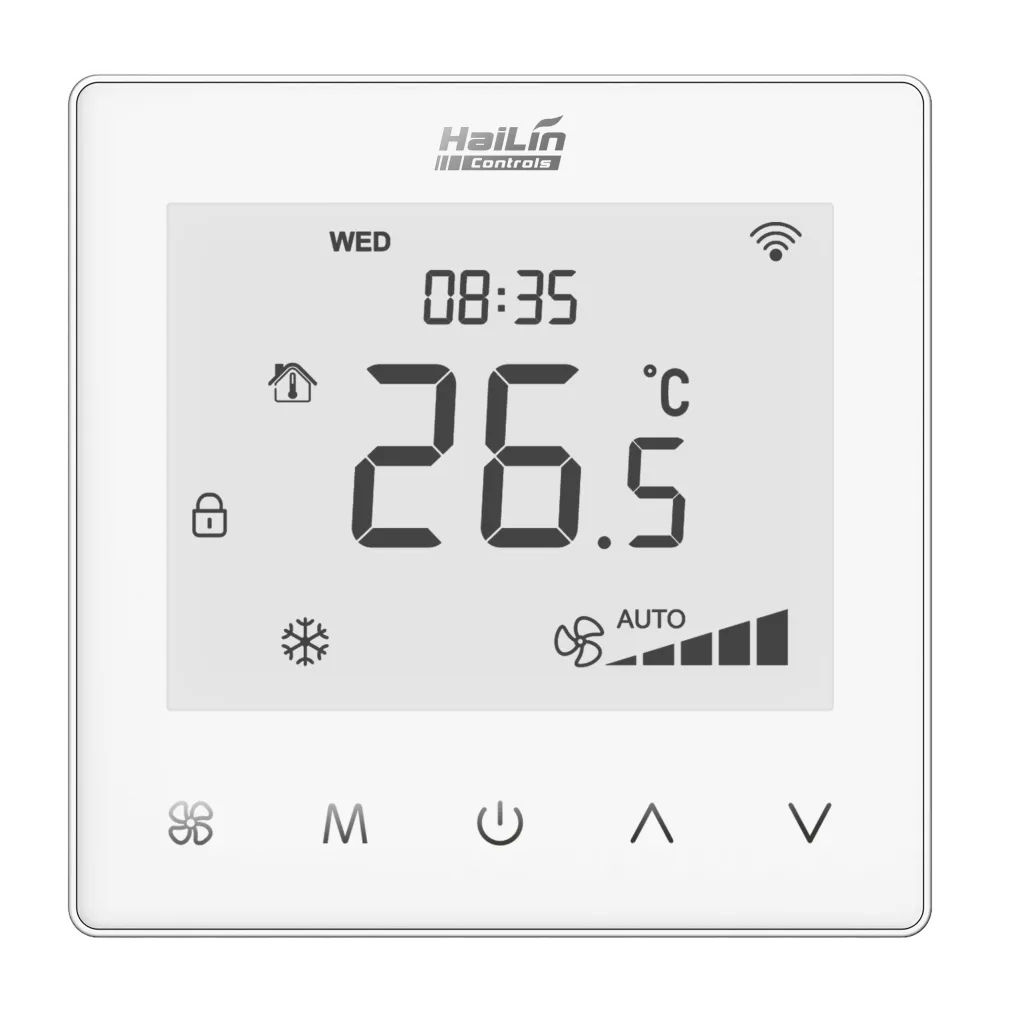
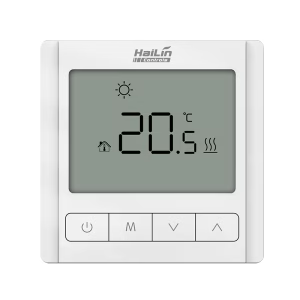
A fan coil thermostat is a wall-mounted control device that regulates room temperature by operating a fan coil unit (FCU), switching the fan between speed levels (Low, Medium, High, Auto) and opening or closing the water valve that controls heating or cooling flow. The thermostat’s control logic must match the FCU’s piping configuration, which is classified as either 2-pipe or 4-pipe.
Fan coil units are the most common HVAC terminal in hotels, offices, apartments, and hospitals. Thermostat selection depends critically on whether the system uses a 2-pipe or 4-pipe configuration. This guide explains the difference, its impact on thermostat specifications, and how to avoid costly procurement mismatches.
A 2-pipe fan coil system uses one pair of pipes to supply either hot water or chilled water to all connected units. A 4-pipe system uses two separate pipe pairs, one for hot water and one for chilled water, allowing each unit to independently heat or cool regardless of neighboring units.
| Feature | 2-Pipe System | 4-Pipe System |
|---|---|---|
| Pipes per FCU | 2 (supply + return) | 4 (2 supply + 2 return) |
| Simultaneous heat/cool | No, seasonal changeover only | Yes, any unit can heat or cool independently |
| Valves per FCU | 1 ON/OFF valve | 2 valves (heating + cooling) |
| Installed cost | Lower | 25–40% higher |
| Riser space required | Smaller | Larger |
| Zone comfort flexibility | Limited during spring and fall | Full individual zone control |
| Best suited for | Budget hotels, seasonal climates | Premium hotels, offices, hospitals |
| System | Valve Setup | Required Thermostat Output |
|---|---|---|
| 2-pipe | 1 ON/OFF valve | Single valve relay + 3-speed fan |
| 2-pipe + electric heater | 1 valve + 1 heater stage | Single valve + auxiliary heat relay |
| 4-pipe | 2 ON/OFF valves | Dual valve relay + auto changeover logic |
| 4-pipe modulating | 2 x 0–10 V valves | Dual analog modulating output |
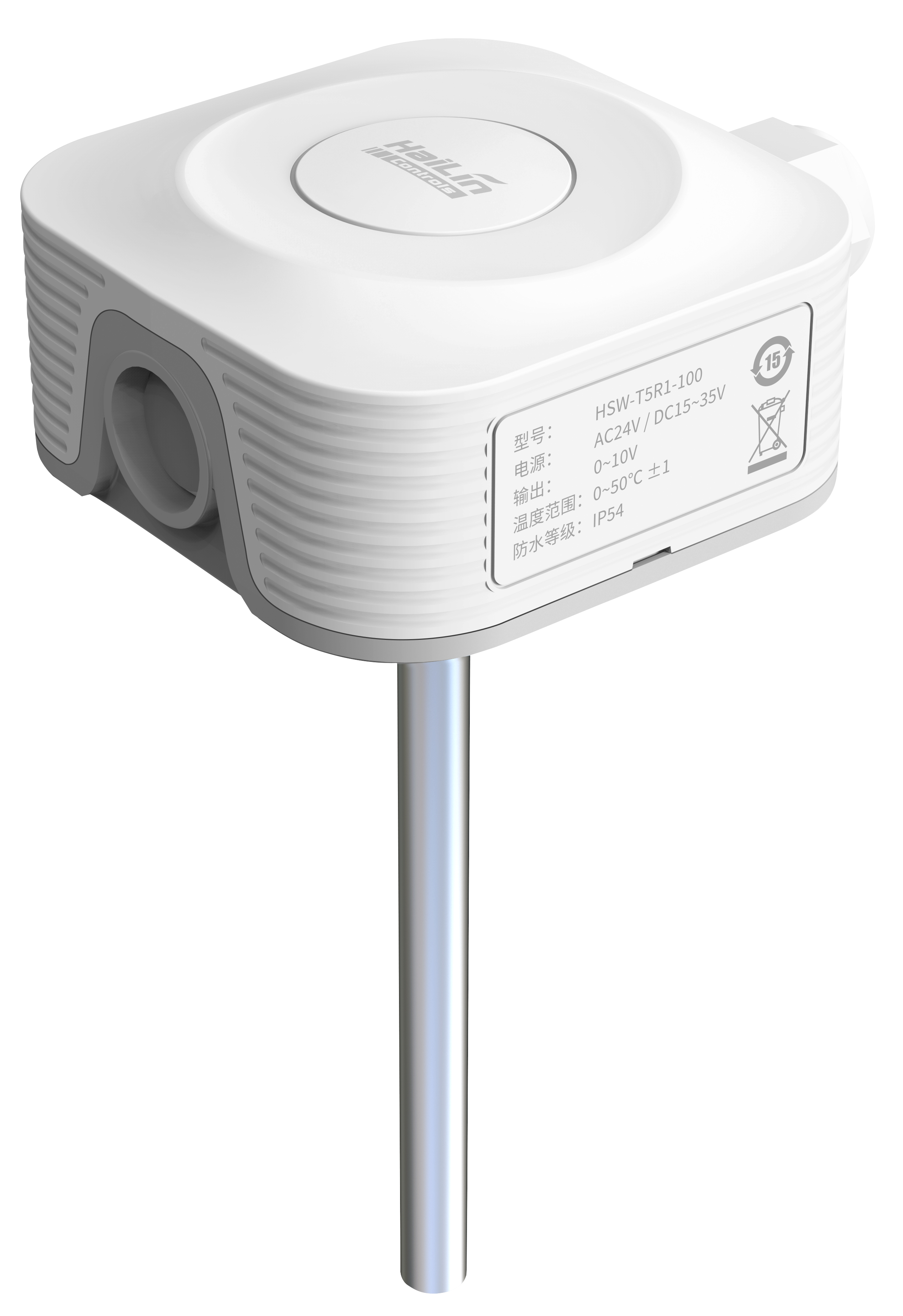
In 2-pipe systems, the entire building switches between heating and cooling seasonally. The thermostat must support a changeover sensor, typically a pipe-mounted thermistor that detects supply water temperature and automatically switches the control mode. In 4-pipe systems, changeover is handled at the thermostat level based on room temperature relative to setpoint.
Standard fan coil thermostats offer 3-speed manual selection (Low, Medium, High) plus Auto mode, which cycles the fan based on the temperature differential. For hotel guest rooms, silent relay switching prevents audible clicks that disturb sleep.
The thermostat’s differential setting determines how often the valve opens and closes. A configurable dead band (typically 0.5°C to 1.5°C) allows balancing comfort against energy consumption. A narrower band provides tighter temperature control but increases valve actuator wear.
| Power Supply | Typical Application |
|---|---|
| AC 85–250 V, 50/60 Hz | Line-voltage, direct replacement of existing units |
| 24 V AC | Low-voltage, BMS-integrated projects |
| Battery (2 x AA) | Standalone operation, retrofit without neutral wire |
| Project Type | System | Recommended Thermostat Features |
|---|---|---|
| Economy hotel | 2-pipe | Basic ON/OFF, 3-speed fan, manual changeover |
| Business hotel | 2-pipe or 4-pipe | Programmable schedule, auto changeover, remote management |
| Luxury hotel | 4-pipe | Color touchscreen, BMS integration, smart room system |
| Office building | 4-pipe | BACnet/MS/TP or Modbus, centralized scheduling |
| Hospital | 4-pipe | Precise PID control, anti-freeze protection, remote monitoring |
| Retrofit project | 2-pipe (existing) | Wireless or battery-powered, easy wall plate mounting |
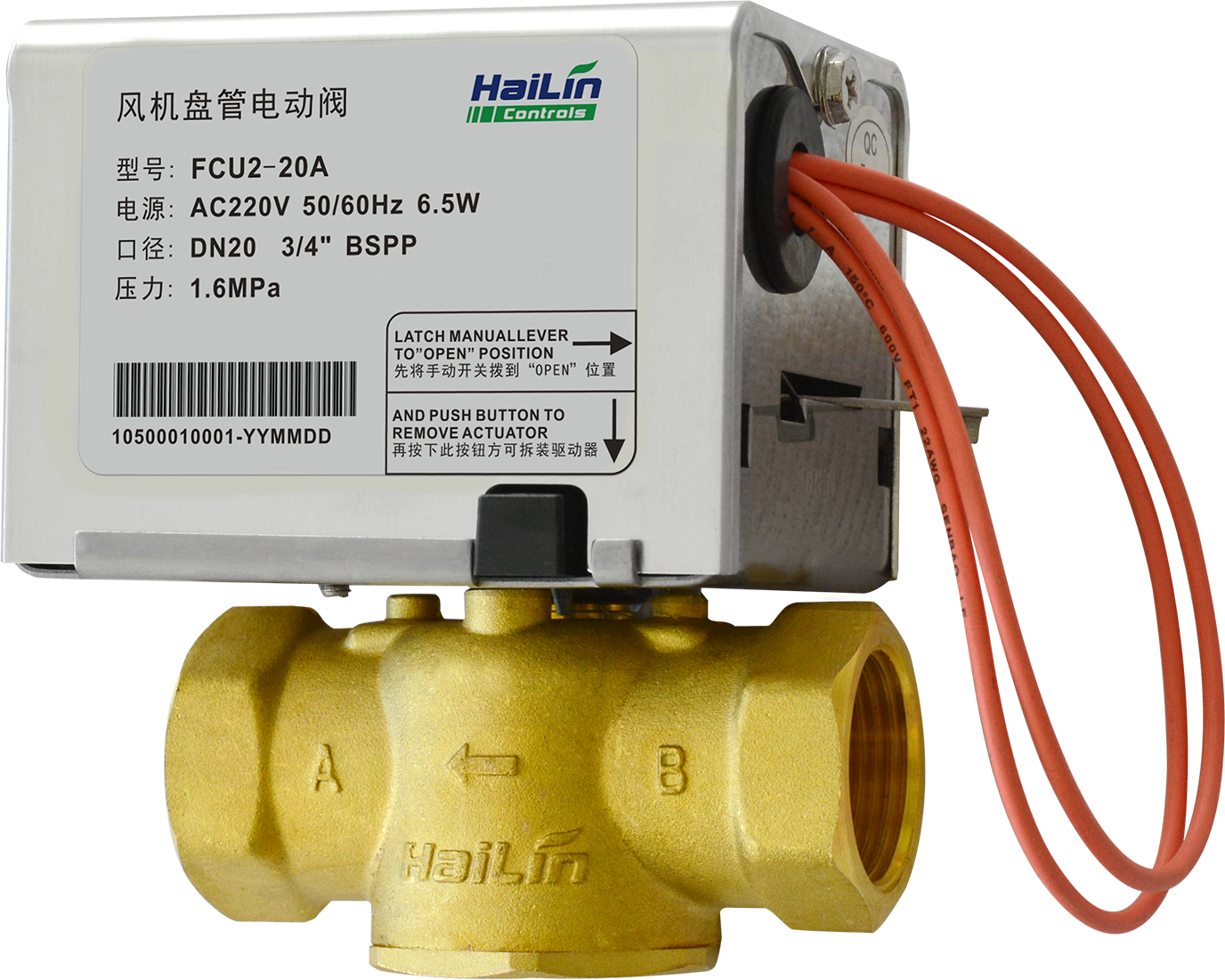
Fan coil valves are normally closed (NC) by default in most configurations. In 4-pipe systems, the heating and cooling valves are both NC, but their wiring terminals on the thermostat differ. Swapping them causes the system to heat when cooling is requested.
Valve bodies connect to FCU piping in DN15 or DN20 sizes, with threaded, compression, or push-fit connections. Specify the valve and thermostat as a matched pair to avoid compatibility issues.
In retrofit projects, existing thermostat wiring often lacks a neutral conductor. Some thermostats require neutral for internal electronics, while others operate on battery power or a 2-wire connection. Survey existing wiring before specifying the thermostat model.
Fan coil units vary in motor current draw. Thermostat fan relays are typically rated for 2A resistive and 1A inductive at 250 VAC. Verify that the thermostat’s fan relay rating exceeds the motor’s full-load current to prevent premature contact failure.
Yes, as long as the thermostat supports single-valve mode and the changeover method is compatible. Some 4-pipe thermostats can be configured for 2-pipe operation via the setup menu or a hardware jumper.
Standard fan coil thermostats have an accuracy of plus or minus 1°C at room temperature. For precision applications such as hospital operating rooms or laboratories, select models with plus or minus 0.5°C accuracy.
Check the valve configuration at the FCU. One valve body indicates a 2-pipe system, two valve bodies indicate a 4-pipe system. Alternatively, check the building’s mechanical drawings or the existing thermostat wiring.
A well-maintained fan coil thermostat typically lasts 8–12 years. The most common failure mode is relay contact wear from frequent valve cycling. Commercial-grade thermostats use higher-rated relays and last longer in high-cycle applications.
Yes. FCU thermostats control line-voltage power to fans and valves. Incorrect wiring can damage equipment or create safety hazards. Installation should be performed by a qualified HVAC or electrical contractor.
Selecting the correct fan coil thermostat requires understanding the piping configuration, valve type, electrical supply, and communication requirements of the project. Starting with the piping system type, matching the valve output, confirming the power supply, and then evaluating additional features reduces the risk of ordering the wrong product and ensures reliable system operation across the building lifecycle.