








Newer
Motorized Valve: Types, Uses & FCU Selection Guide
A DDC controller helps HVAC systems maintain indoor comfort while keeping equipment operation under control. In commercial buildings, temperature swings, unnecessary equipment runtime, and constant manual adjustments can create problems for both occupants and facility managers. Direct Digital Control offers a practical way to manage these issues through automatic monitoring and programmed control.
Rather than relying on manual adjustments, a DDC controller reads sensor data, processes control logic, and sends commands to connected equipment. The right setup can improve temperature control, simplify scheduling, and help maintenance teams identify operating problems. For HVAC engineers and system integrators, the main challenge is choosing a controller that matches the equipment, communication protocols, and control requirements of the building.
DDC stands for Direct Digital Control. A DDC controller is a programmable device that monitors field conditions and controls HVAC equipment according to predefined rules.
A typical setup includes three main components:
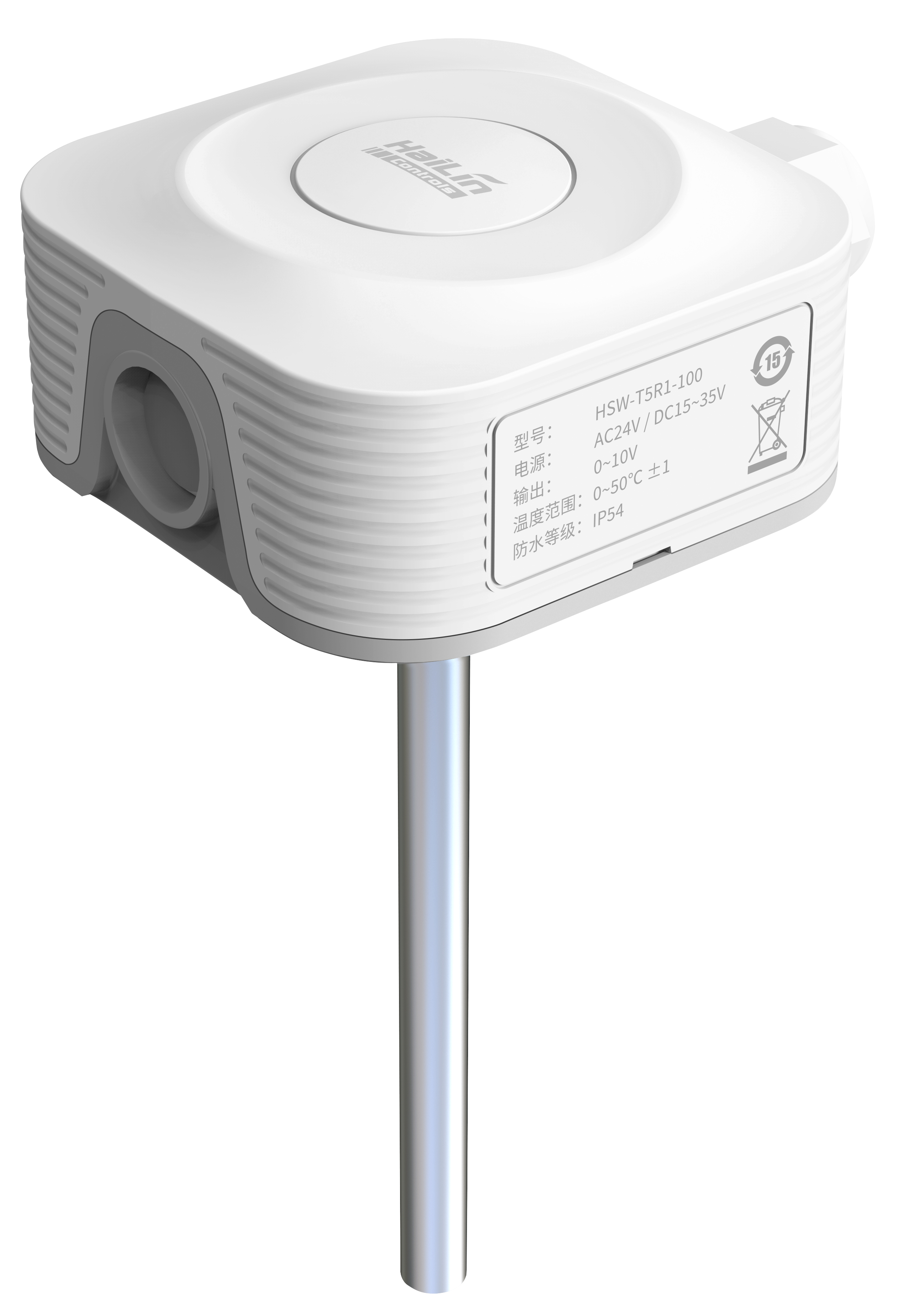
Sensors: Measure room temperature, humidity, pressure, and other conditions.
DDC controller: Processes sensor readings and executes programmed control logic.
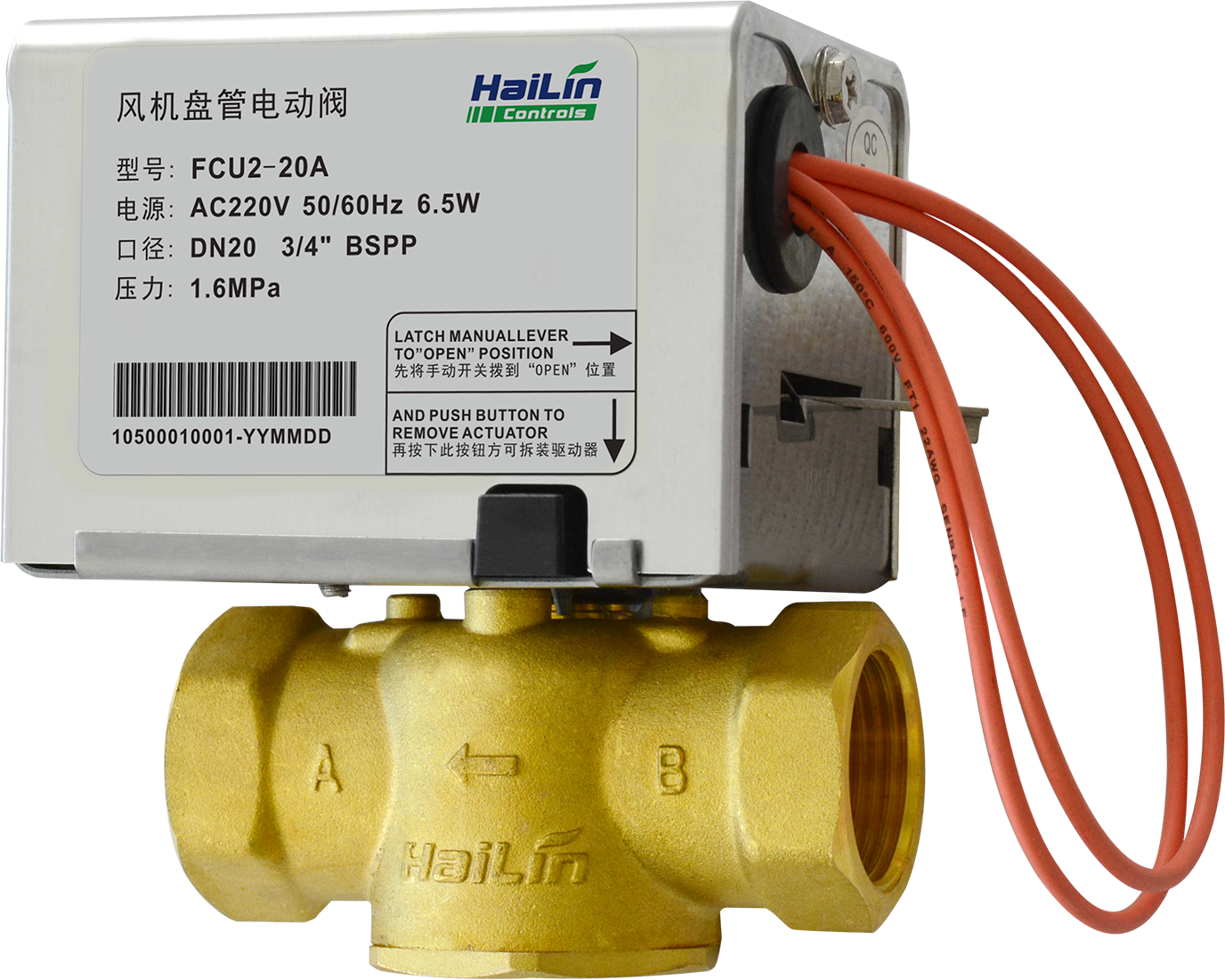
Controlled equipment: Includes valves, dampers, fans, pumps, and other devices that respond to control commands.
For example, when a room becomes warmer than its setpoint, the controller can adjust a cooling valve or fan speed according to the programmed sequence. The controller then uses updated sensor readings to determine whether further adjustments are needed.
The basic process involves collecting data, applying control logic, adjusting equipment, and checking the results. Each step needs to work correctly for the system to perform as intended.
First, sensors measure conditions such as room temperature, supply air temperature, humidity, or duct pressure. The controller receives these readings through compatible input channels.
Accurate measurements matter. A poorly calibrated sensor can cause unnecessary cooling, excessive heating, or unstable temperature control.
Next, the controller compares the measured values with setpoints, operating schedules, and programmed rules. Depending on the application, the control sequence may use simple switching logic or proportional and PID control.
For example, a controller may gradually open a cooling valve as room temperature rises above the target. The actual response depends on the control sequence and the equipment being operated.
Once the controller evaluates the data, it sends commands through suitable output channels. Digital outputs can handle switching functions, while analog outputs may be used for modulating valves or compatible drive equipment.
Engineers should confirm the required signal types and electrical ratings before connecting field devices.
The controller continues reading sensor data and adjusting outputs as conditions change. When connected to a building management system, the setup can also provide equipment status, operating data, and alarms for maintenance teams.
During commissioning, engineers should test sensor readings, output responses, control sequences, and safety interlocks rather than assuming the system will work correctly after installation.
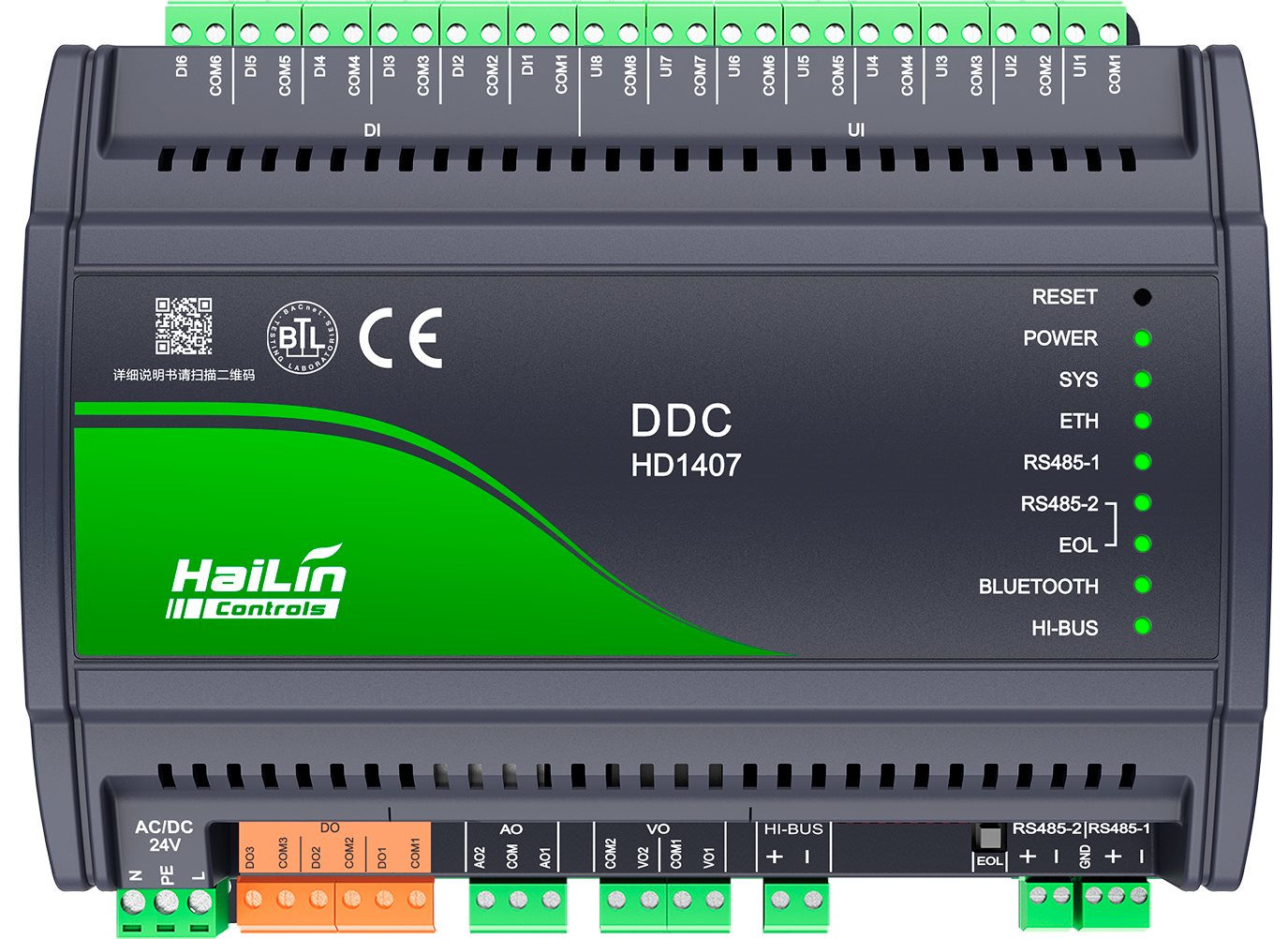
DDC controls can manage different types of HVAC equipment, depending on the controller’s I/O capacity, connected devices, and programmed functions.
Air handling units: Control fan operation, temperature settings, dampers, and compatible valves.
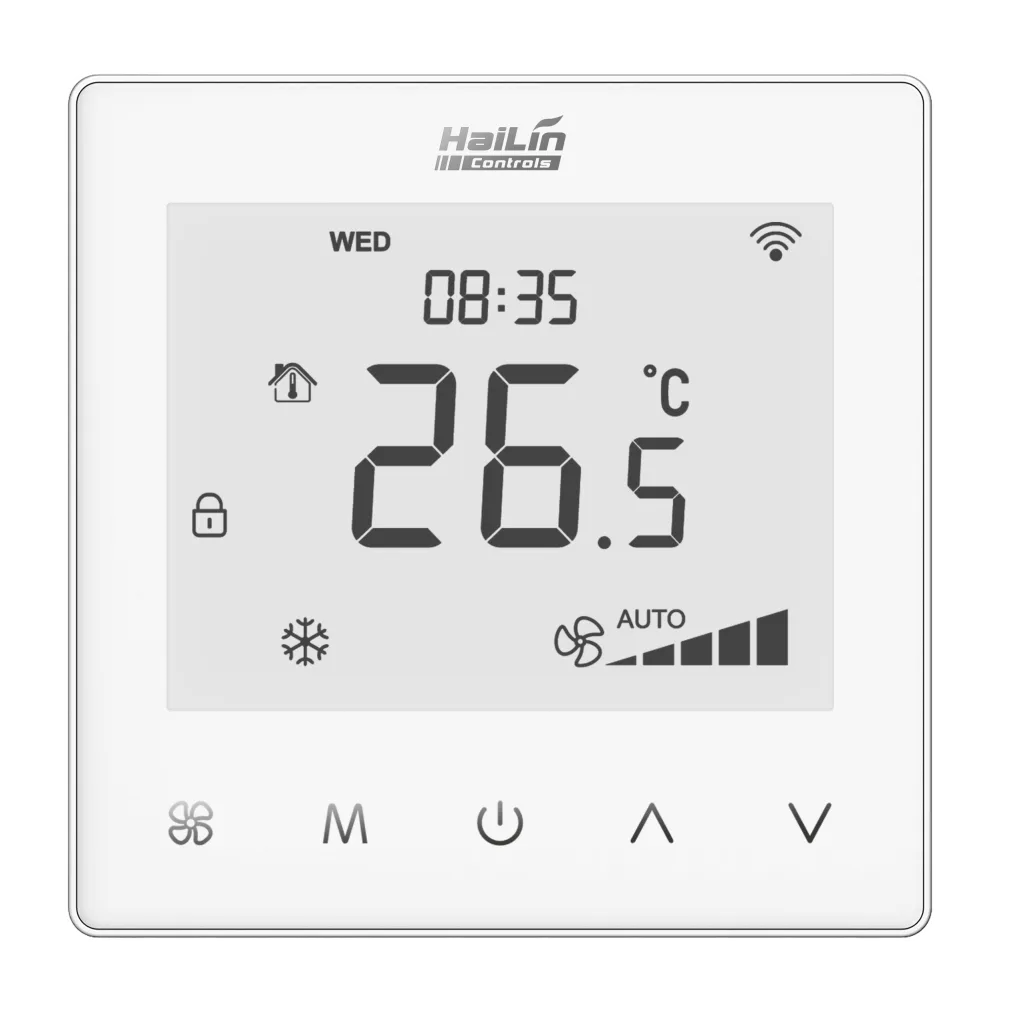
Fan coil units: Regulate fan operation and water valve positions according to room conditions.
Pumps and valves: Coordinate equipment operation and flow control where the system design allows.
Ventilation systems: Adjust operation according to schedules, occupancy, or sensor readings.
Commercial buildings: Coordinate HVAC operation in offices, hotels, hospitals, and public facilities.
Consider an office that operates from 8 a.m. to 6 p.m. A properly configured DDC control system can schedule equipment startup before occupants arrive and reduce unnecessary operation after closing time.
For ventilation, demand based control can adjust airflow according to occupancy or indoor air quality readings. Actual energy savings depend on equipment efficiency, building use, control settings, and commissioning quality.
Although the terms are closely related, a DDC controller and a DDC control system refer to different things.
| Item | Main function |
|---|---|
| DDC controller | Executes control logic and manages connected field devices |
| DDC control system | Combines controllers, sensors, actuators, networks, and other required components |
| BAS or BMS | Provides broader building automation, monitoring, and management functions |
A single controller can manage a specific piece of HVAC equipment or serve as part of a larger control network. The complete system may include multiple controllers connected to supervisory software.
Understanding the distinction helps project teams define hardware requirements, integration responsibilities, and the scope of installation work before purchasing equipment.
Once configured correctly, DDC controls can improve daily HVAC operation in several practical ways.
More consistent comfort: Automatic adjustments help maintain target indoor conditions as temperatures and occupancy change.
Better scheduling: Equipment can follow building operating hours instead of running continuously.
Clearer operating information: Monitoring and alarms help maintenance teams identify abnormal conditions.
Flexible control: Programmable sequences can accommodate different equipment and operating requirements.
Easier maintenance: Accessible configuration and diagnostic information can simplify troubleshooting.
However, installing a DDC controller does not automatically guarantee lower energy consumption. The results depend on the condition of the existing equipment, the control strategy, sensor accuracy, and how well the system is maintained.
Before comparing models or prices, identify the actual control requirements of the project. The following checks help avoid compatibility problems and unnecessary hardware costs.
List the sensors, actuators, switches, and other devices the controller must support. Confirm the number of required I/O points and the signal types used by each device.
A controller with software configurable universal I/O can offer more flexibility when a project includes different types of field equipment.
Check whether the existing building system uses BACnet/IP, BACnet MS/TP, Modbus TCP, or Modbus RTU. Verify the supported protocols on the specific model rather than relying on a general product description.
Protocol compatibility is only the starting point. The controller and connected equipment must also support the required data points and communication settings.
Projects with distributed equipment may need Ethernet connectivity, RS 485 interfaces, or additional I/O modules. Check the available interfaces and expansion capacity before finalizing the system design.
Confirm whether the controller supports the required control sequences, weekly schedules, and holiday schedules. Engineers should also consider the available configuration tools and the effort required to make future adjustments.
Compare power requirements, installation methods, maintenance access, technical support, and integration costs. A lower purchase price may not represent better value if the selected controller requires extra hardware or extensive modification to work with the existing system.
A BACnet DDC controller is worth considering when a project needs to exchange data with compatible building automation equipment. BACnet/IP communicates over Ethernet, while BACnet MS/TP commonly uses an RS 485 network.
Before selecting a model, check whether the controller supports the required BACnet method, exposes the necessary data points, and works with the intended supervisory system.
Some buildings also contain meters and field devices that communicate through Modbus. A controller supporting both BACnet and Modbus can help integrate different devices, provided the specific communication and data requirements are compatible.
For HVAC and building automation projects that require programmable control and network integration, the HD Series DDC controller from HaiLin is one option to evaluate.
According to the published product specifications, the series offers:
Universal I/O: Input and output functions can be configured through software.
Multiple protocols: Supports BACnet/IP, BACnet MS/TP, Modbus TCP, and Modbus RTU.
Network connectivity: Provides Ethernet and isolated RS 485 communication interfaces.
Expansion options: Each RS 485 interface can connect up to five I/O expansion modules.
Configuration and maintenance: Supports Bluetooth configuration, remote firmware upgrades, weekly schedules, and holiday schedules.
The number of network interfaces varies by model. For example, the published specifications list two RS 485 interfaces for the HD1407, HD1407E, and HD0904, and three for the HD1407S.
When comparing models, match the I/O capacity, communication interfaces, and expansion requirements to the actual equipment list. Confirm the full specifications before including a controller in the final project design.
DDC stands for Direct Digital Control. The technology uses digital controllers and programmed logic to monitor conditions and control HVAC equipment automatically.
DDC controller programming defines how equipment responds to sensor readings, setpoints, schedules, and other operating conditions. The program may control valve positions, fan operation, equipment startup, and other HVAC functions.
Yes, provided the controller supports the required protocol and the connected devices are compatible. Engineers should check communication settings, supported objects or registers, and integration requirements before installation.
The price depends on I/O capacity, communication interfaces, programming features, expansion requirements, and technical support. Comparing the full project requirements gives buyers a more useful basis for evaluating quotations.
A DDC controller connects sensor readings, control logic, and HVAC equipment to keep building systems operating according to defined requirements. Choosing the right model starts with understanding the equipment, I/O points, communication protocols, and programming needs.
A well planned control system can improve comfort, simplify scheduling, and make maintenance more manageable. Before purchasing, compare the controller specifications with the project requirements. You can also explore the HD Series DDC controller to review its supported protocols, interfaces, and expansion options.