








Newer
DDC Controller: How It Works in HVAC Systems
If a Fan Coil Unit keeps blowing but the room does not cool, check the thermostat, chilled water supply, control valve, water flow, coil condition, airflow, and sensor signals. A running fan only proves that air is moving. It does not mean the coil is receiving enough chilled water or removing heat from the room.
For building maintenance teams and HVAC technicians, the key is to find out where the cooling process breaks down. The problem may be as simple as an incorrect thermostat setting or as involved as a water circulation fault. The checks below follow the way technicians would normally approach the problem, starting with the room controller and moving through the water and air sides of the system.
Most FCU cooling problems come down to one of three things: insufficient chilled water, poor airflow, or incorrect temperature control. The following table gives you a starting point before moving into a more detailed inspection.
| Observed Problem | Possible Cause | What to Inspect |
|---|---|---|
| Fan runs but air feels warm | No chilled water supply | Chilled water pipes and system operation |
| Room temperature does not reach the setpoint | Thermostat or sensor issue | Temperature reading and cooling demand |
| Control valve stays closed | Actuator or wiring fault | Valve movement and control signal |
| Cooling is weaker than usual | Restricted water flow | Strainer, isolation valves and pipework |
| Airflow is noticeably weak | Dirty filter or blocked coil | Filter, coil and air openings |
| Several FCUs stop cooling | Central system problem | Chiller and water distribution |
Start with the checks that are easy to verify. There is little point replacing a thermostat before confirming that chilled water is actually reaching the unit.
Start with the room thermostat. An FCU can run its fan while the cooling valve remains closed if the controller is not calling for cooling.
First, make sure the thermostat is set to Cool and the target temperature is below the actual room temperature. Also check the fan speed and operating mode. Some controllers have a seasonal changeover setting that affects whether heating or cooling is available.
The water pipe arrangement matters here. A two pipe FCU uses one water circuit for either heating or cooling, depending on the central system changeover. A four pipe FCU has separate heating and cooling circuits, allowing the two functions to operate independently.
If the thermostat displays an incorrect room temperature, compare it with a separate thermometer. A sensor reading that is lower than the actual room temperature may stop the cooling demand too early.
When selecting a replacement thermostat for FCU applications, check the pipe arrangement, fan type, valve control method, and power supply. HaiLin provides several FCU thermostats for different terminal control configurations.
Once the thermostat is calling for cooling, the next step is to check the water supply.
A chilled water FCU transfers heat from room air into the water circulating through its coil. Without a suitable chilled water supply, the fan can continue blowing while the room stays warm.
Check the following conditions:
A useful first check is to measure the supply and return water temperatures with an appropriate instrument. Compare the readings with the design conditions and the readings from similar working FCUs. The temperature difference will vary with system load and water flow, so one reading alone cannot confirm a fault.
There is also a useful distinction between a local FCU problem and a building wide problem. If several units across the same floor stop cooling at the same time, the central chilled water supply or distribution system deserves attention before individual thermostats are replaced.

Even with chilled water available, the FCU cannot cool properly if the control valve stays closed or does not open far enough.
In normal operation, the thermostat or DDC controller sends a command when the room needs cooling. The valve actuator then moves the valve to regulate water flow through the coil.
A few things can go wrong:
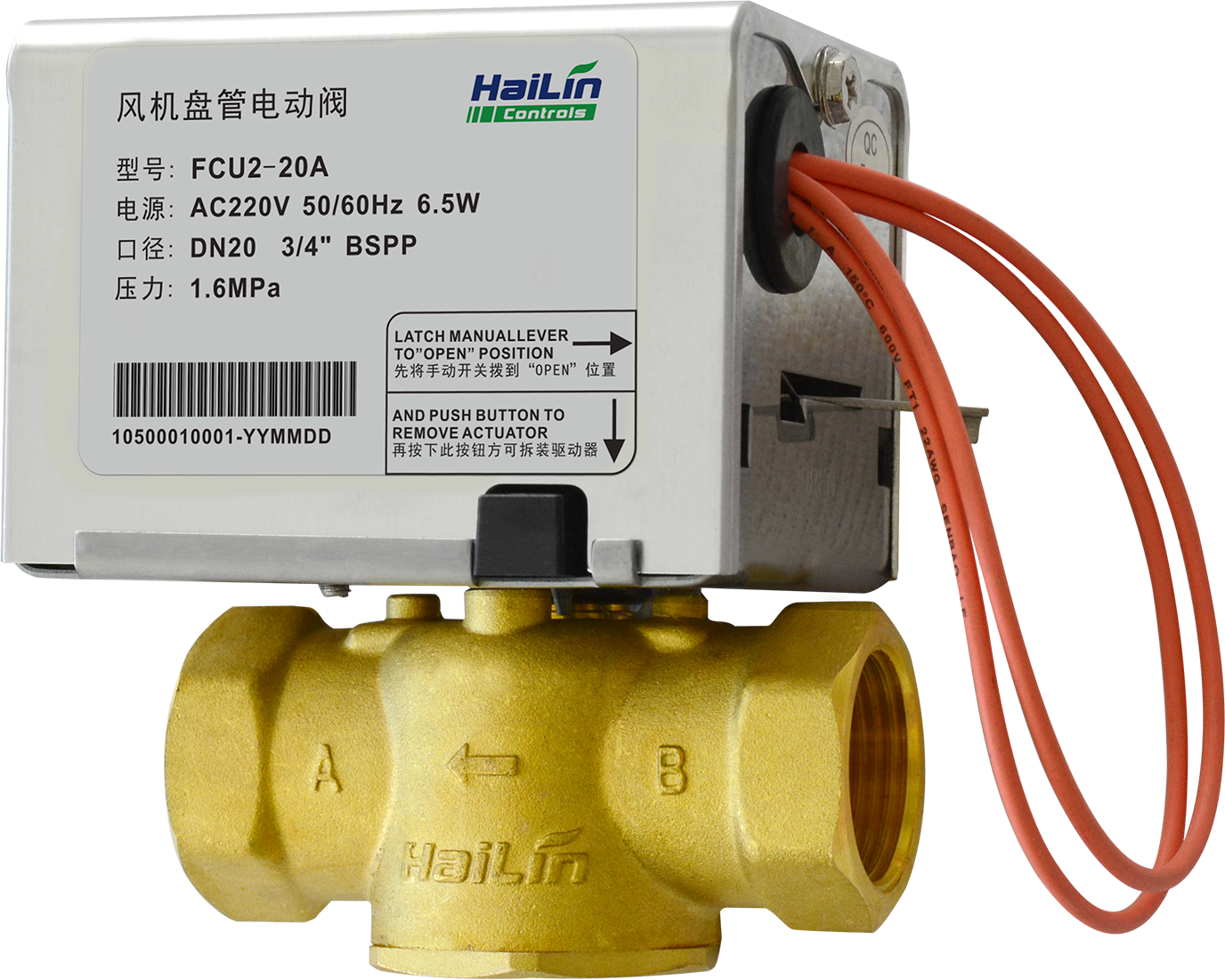
The valve type also matters. A basic electric valve opens or closes the water circuit, while an electric modulating valve adjusts its opening according to a variable signal, such as 0 to 10 V.
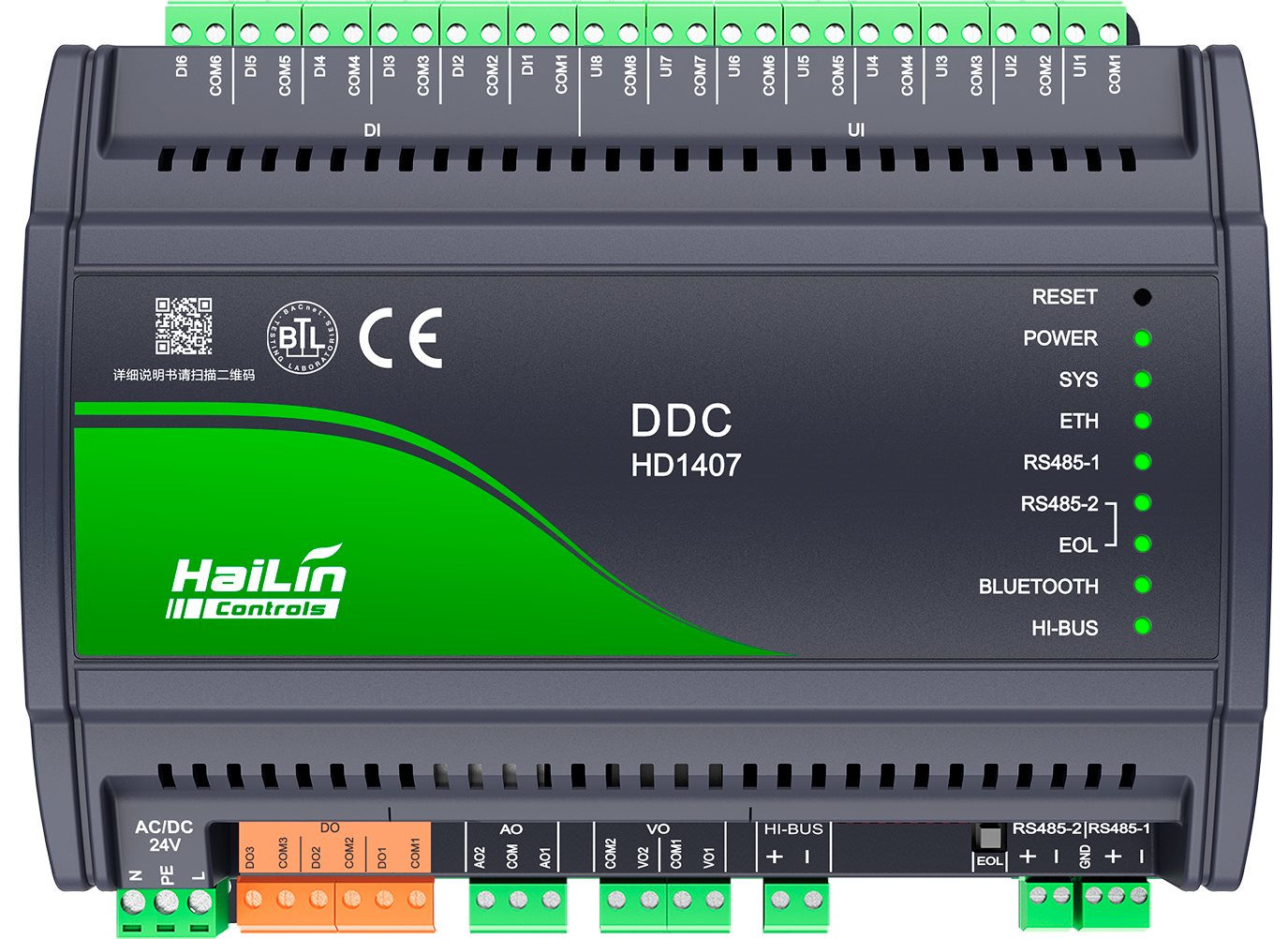
For larger HVAC projects, the DDC controller may handle valve control according to room temperature readings and programmed operating sequences. The controller and valve are separate components, so both need to be checked.
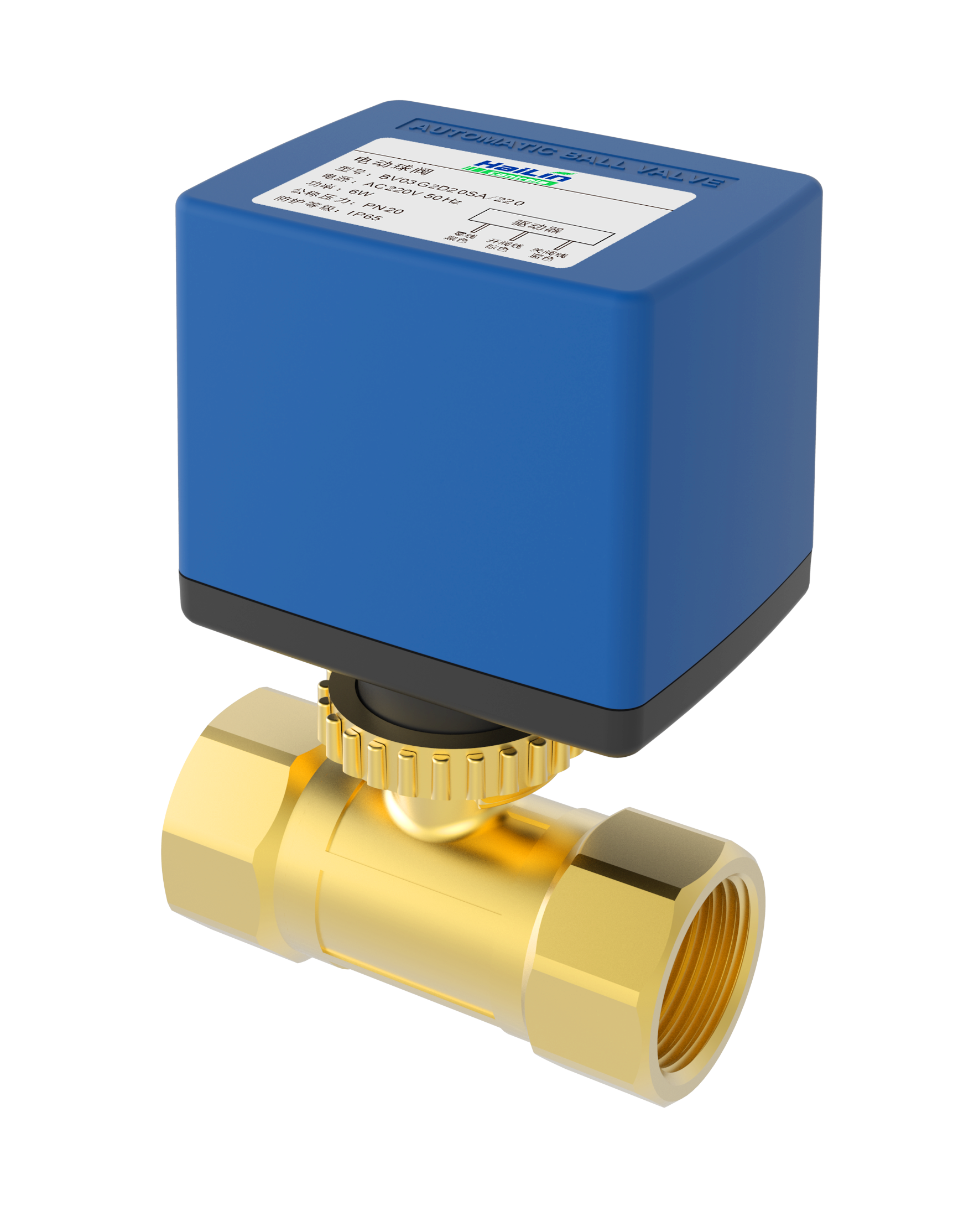
HaiLin offers FCU motorized valves for hydronic terminal control. For projects requiring modulating control, selected PI thermostat models provide a 0 to 10 V output for compatible electric modulating valves.
Sometimes the valve opens correctly, but the water still cannot pass through the coil at the required rate. A blocked strainer, partially closed isolation valve, or poorly adjusted hydronic circuit can reduce cooling capacity.
Inspect the water circuit for:
Balancing valves are worth checking during commissioning and maintenance. A static balance valve sets a fixed flow rate through manual adjustment, while a motorized balancing valve can change its position under an electrical control signal, depending on its design.
A balancing valve is not the same as a temperature control valve. The balancing valve manages the water distribution across the system, while the control valve responds to heating or cooling demand.
If the FCU still receives insufficient water after the basic checks, a technician should measure the actual flow and differential pressure before making further adjustments.
Air trapped inside the coil can interfere with water circulation. In some cases, part of the coil receives little or no water, leaving the unit unable to transfer enough heat.
You may notice uneven cooling, unusual gurgling sounds, or inconsistent temperatures across the coil and connected pipes.
The problem often appears after pipework maintenance, system refilling, or work on the chilled water circuit.
A technician should check the air vent and bleed the coil according to the equipment manufacturer’s instructions. Once the trapped air is removed, water circulation and cooling performance can be checked again.
If the same problem returns, look for an underlying circulation or pressure issue rather than repeatedly venting the coil.
The water side may be working properly while the air side is restricting heat transfer.
A dirty filter reduces the amount of air passing through the coil. Dust on the coil surface, blocked return grilles, and restricted supply ducts can cause similar problems.
For a typical FCU, inspect the following:
Ducted FCU installations need a few additional checks. A duct air flow sensor can help measure airflow, while a duct air velocity sensor measures air speed at its sensing location. The correct device depends on the duct dimensions and measurement requirements.
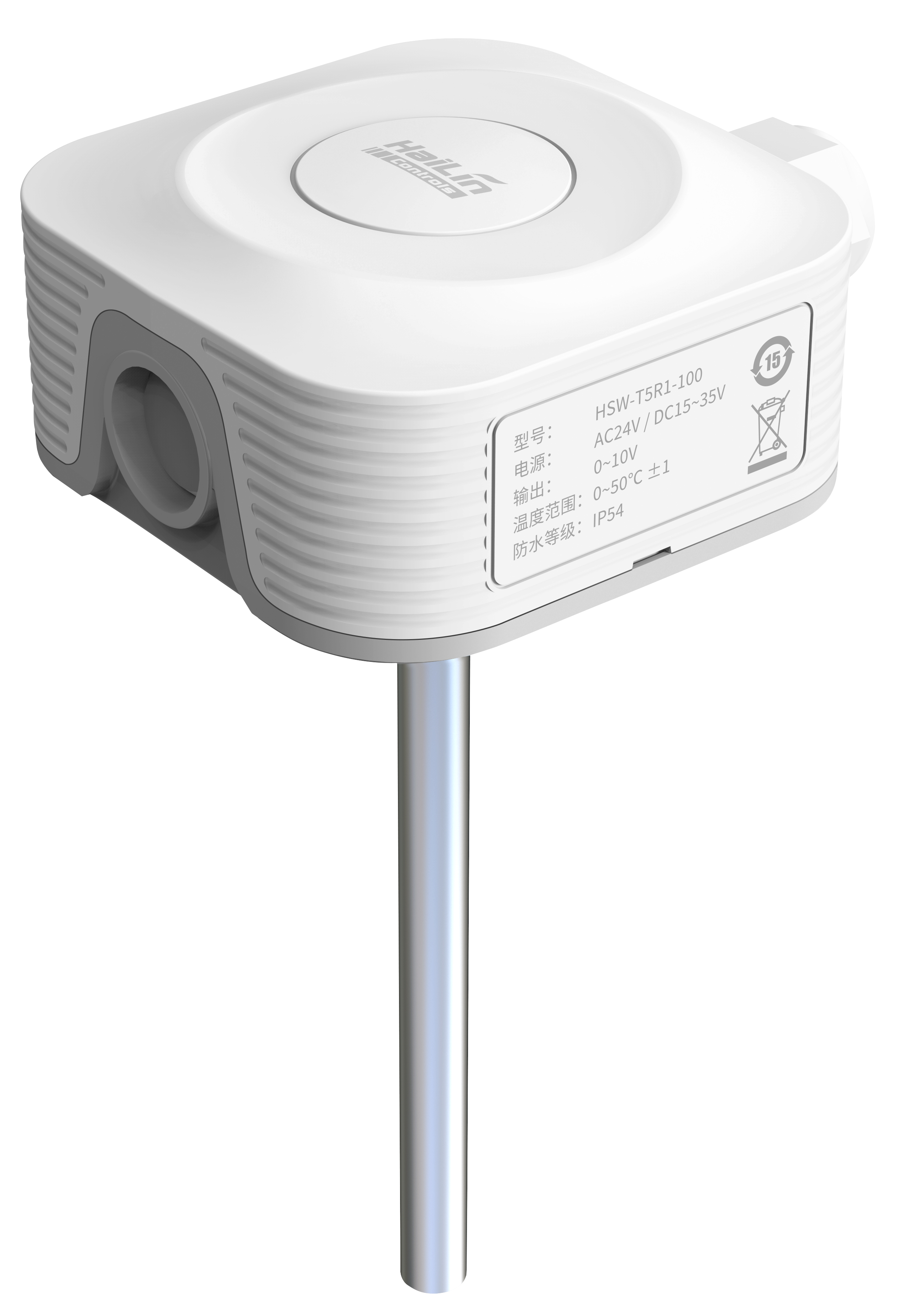
Temperature monitoring also helps identify unusual operating conditions. A return air duct temperature sensor measures the temperature of air returning from the occupied space. A fresh air intake duct temperature sensor measures outdoor air entering the ventilation system.
These sensors provide useful operating information, but they do not directly correct low airflow or insufficient chilled water.
For systems that need duct pressure monitoring, the HL TP transmitter measures differential pressure in the air duct. Static pressure measurement should not be confused with direct airflow measurement.
If the thermostat and mechanical components appear to be working, look at the control signals.
A faulty room temperature sensor can give the controller an inaccurate reading. For example, if the sensor reports a room temperature lower than the actual value, the controller may reduce cooling demand and close the valve before the room is comfortable.
Check the sensor reading against a separate thermometer, then inspect the wiring and controller configuration.
For networked FCU systems, communication faults can create another problem. Check the RS 485 wiring, device address, communication settings, and Modbus RTU status where applicable.
The FCU connection with thermostat must also follow the wiring diagram for the selected model. A mismatch between the thermostat output, actuator input, and valve type can prevent the control sequence from working correctly.
For applications that require continuous valve adjustment, a PI control thermostat can regulate a compatible modulating valve through a 0 to 10 V signal. Selected HaiLin PI thermostats also support RS 485 communication and Modbus RTU integration.
After checking the individual components, compare the symptoms across the building. The pattern often tells you whether the fault is local to one unit or related to the wider HVAC system.
| What You Notice | Likely Area to Investigate |
|---|---|
| One FCU blows warm air while nearby units cool normally | Local thermostat, valve or coil |
| Several FCUs lose cooling together | Central chilled water system |
| Water pipes are cold but room cooling is weak | Airflow, coil condition or water flow |
| Valve does not respond to cooling demand | Actuator, wiring or controller output |
| Airflow is weak despite normal fan operation | Filter, coil or duct restriction |
| Room temperature reading differs from actual conditions | Sensor or thermostat calibration |
Avoid replacing parts based on symptoms alone. Check the water supply, valve response, airflow, and sensor readings first. A few measurements can prevent unnecessary component replacement.
The most common causes are a lack of chilled water, a closed control valve, incorrect thermostat settings, or poor heat transfer at the coil. Check the cooling demand and water supply before replacing the thermostat.
Yes. The fan motor can circulate room air even when chilled water is unavailable. However, a chilled water FCU cannot provide normal cooling without an adequate supply of cold water through its coil.
Yes. An incorrect temperature reading, wrong operating mode, or wiring fault can prevent the thermostat from sending the required cooling command to the valve actuator.
A local valve problem, blocked strainer, trapped air, dirty filter, or incorrect water flow setting may affect one unit while other FCUs continue working normally.
The inspection frequency depends on operating hours, building conditions, and the manufacturer’s maintenance recommendations. Filters, coils, valves, and drain systems should be included in routine maintenance.
When a Fan Coil Unit runs but fails to cool, the fan is not necessarily the problem. Start with the thermostat, confirm the chilled water supply, and check the valve, coil, and airflow before investigating sensors and control signals. A methodical inspection is usually more useful than replacing parts one by one. For HVAC projects involving room temperature and valve control, explore HaiLin’s FCU control products to review the available configurations.