English
English

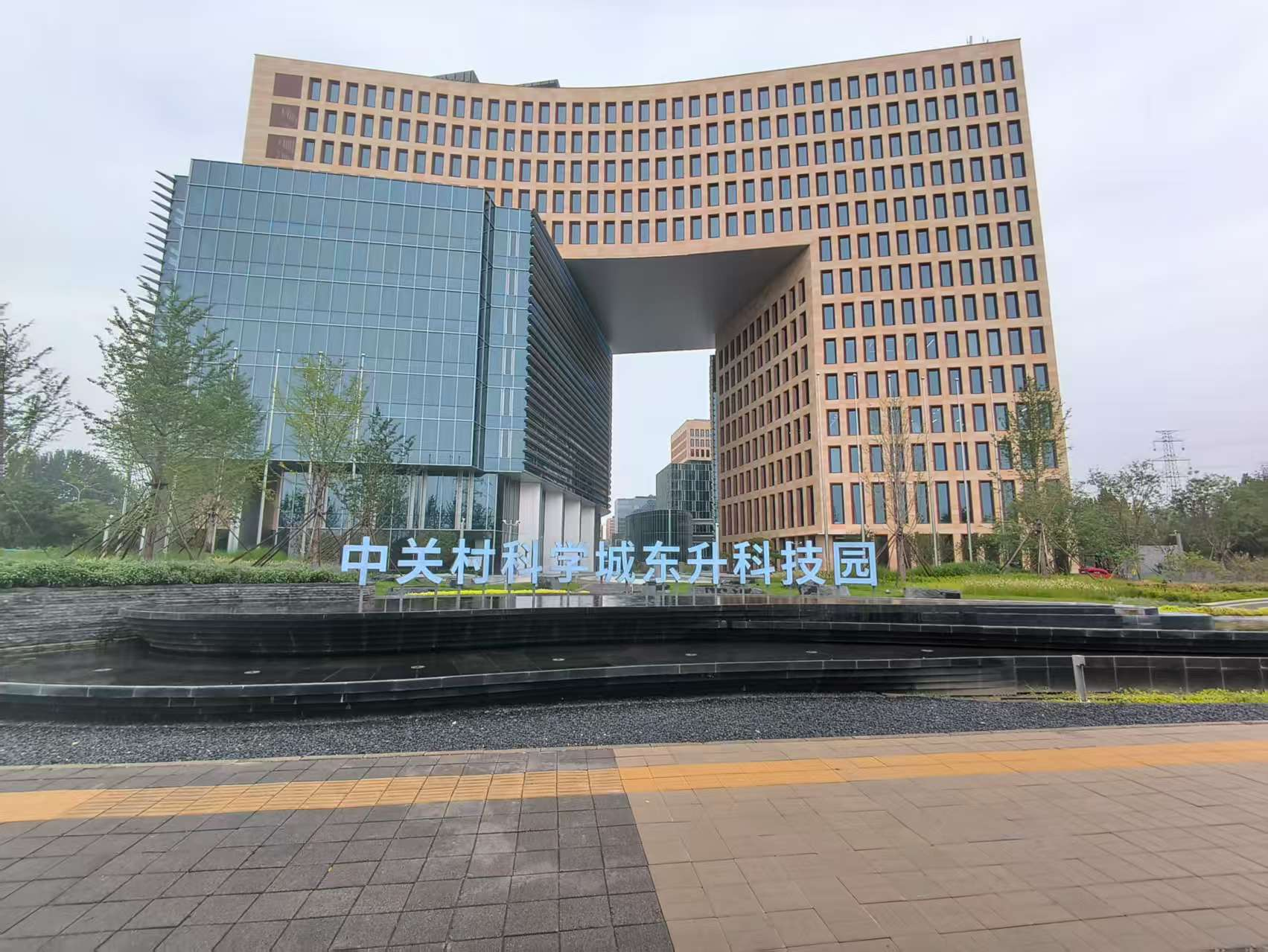
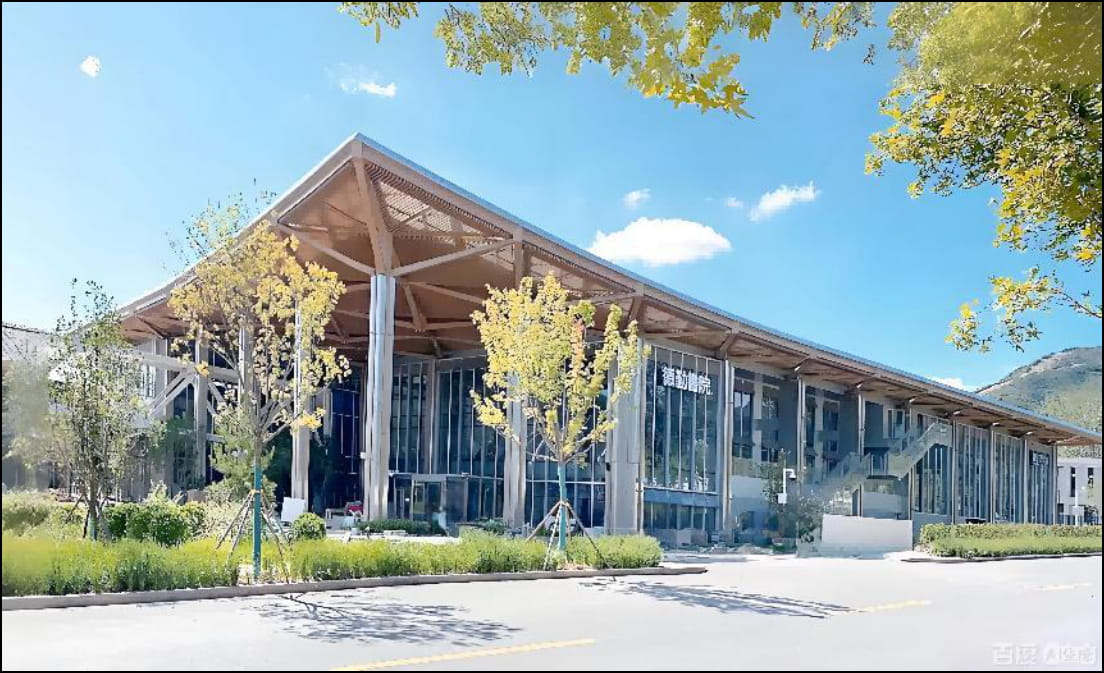
Beijing Zhongguancun Science City AI Digital Energy Industrial Park, also known as Zhongguancun Science City Dongsheng Technology Park • Haikai Park, is a technology innovation and service-oriented industrial park focused on high-tech and high-value industries.
The project is one of the key initiatives under the Beijing government’s “3 × 100” major projects and is positioned as an important demonstration area for AI and digital energy development.
With a total construction area of more than 240,000 m², the project comprises six research and design buildings and one supporting research and design building, providing a modern working and innovation environment for high-tech enterprises.
During construction, the project introduced advanced technologies including big data, cloud computing, and intelligent construction to establish a more precise project management system. Innovative technologies such as BIM-based smart construction site applications and the City Brain–Smart Park Management Platform were also adopted to support intelligent park development and operation.

As a modern technology park centered around AI and digital energy, Haikai Park places high demands on building automation, energy efficiency, intelligent control, and operational data management.
Traditional building control, energy management, and intelligent applications need to work together rather than operate as independent subsystems.
The project therefore required an integrated Building Automation System capable of connecting different building systems through a unified management platform.
As a digital energy demonstration area, the park needed to demonstrate efficient and sustainable energy use through its own building operation.
The system needed to support refined energy management, automated energy-saving operation, and carbon reduction while maintaining a comfortable working environment.
The park serves high-tech enterprises and modern office users, creating demand for intelligent, convenient, and user-oriented building control.
Building systems needed to respond to occupancy, environmental conditions, and different space functions while improving comfort and operational efficiency.
The building automation system needed to collect large amounts of equipment operating data, energy consumption data, and environmental information.
These data provide a foundation for intelligent park operation, energy analysis, operational optimization, and future AI and digital energy applications.


To address these requirements, HaiLin Controls deployed an integrated EBA (Energy & Building Automation) system for the project.
The solution combines building automation, energy management, and intelligent lighting through a unified platform rather than operating them as isolated subsystems.
The integrated solution includes:
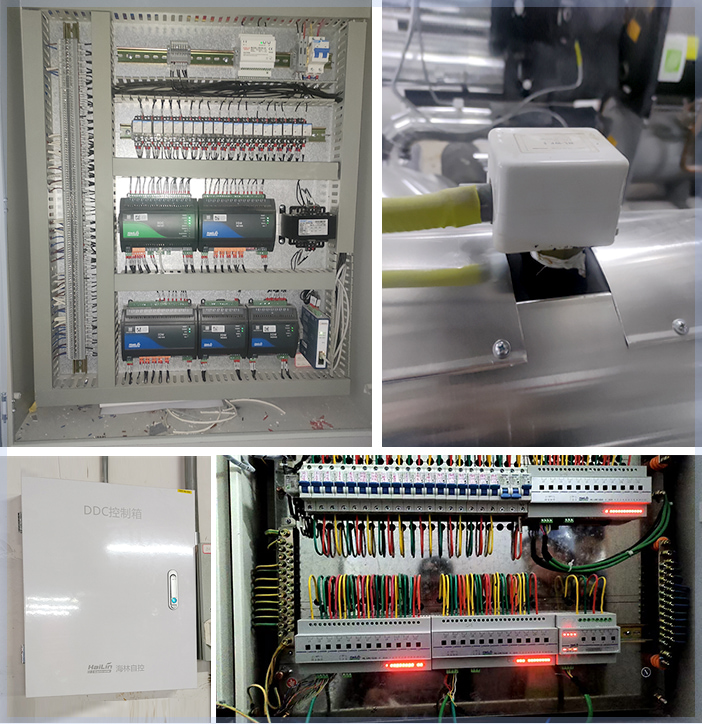
The solution integrates DDC, sensors, Intelligent Gateway devices, management software, energy meters, and other building automation components to provide centralized monitoring, automated control, and data management.
The building automation system comprises approximately 21,865 control points, while approximately 1,582 energy meters are deployed for refined energy monitoring across the park.
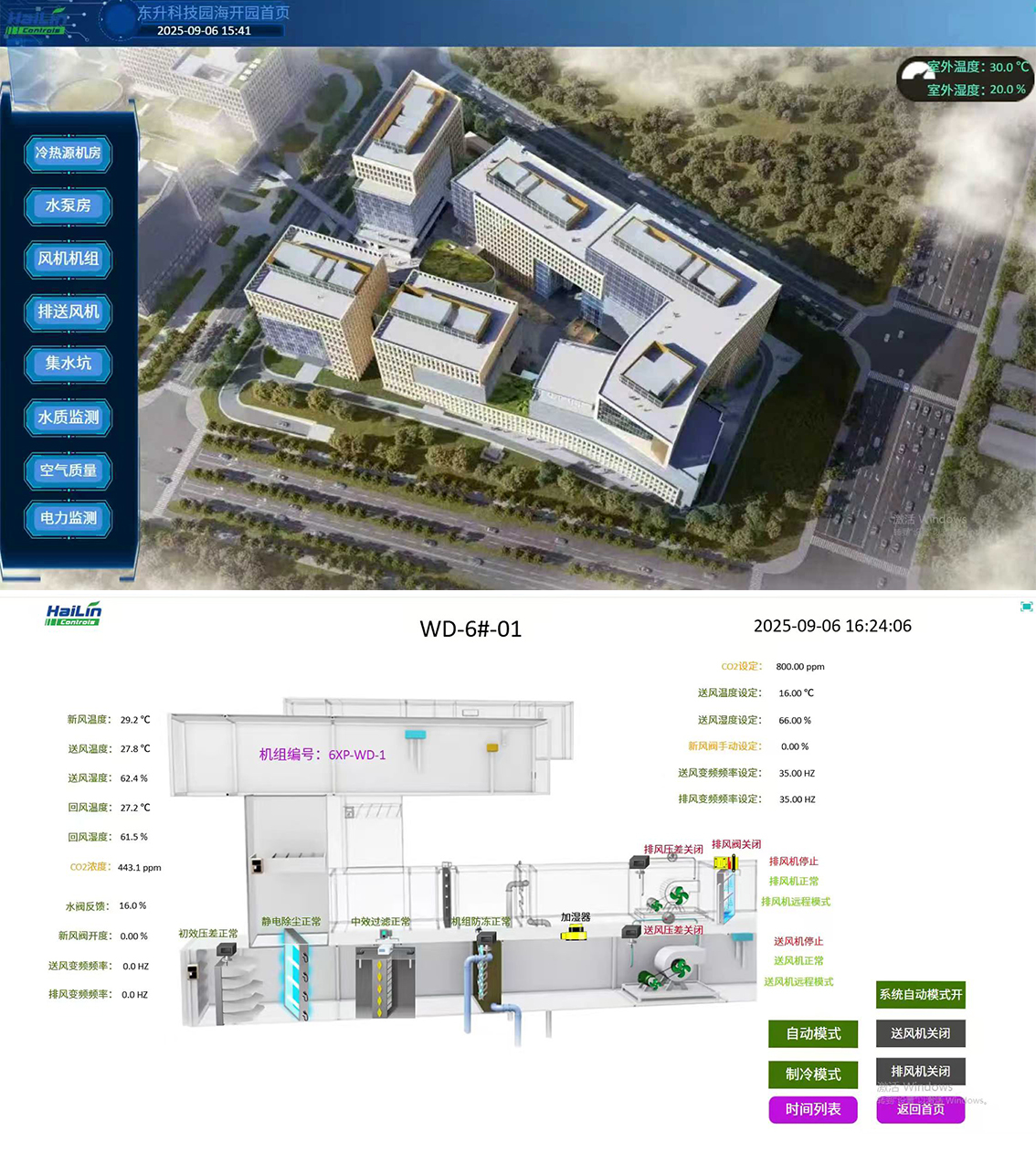
The Building Automation System uses DDC, sensors, Intelligent Gateway devices, and management software to provide automated monitoring and control of major mechanical and electrical systems across the park.
The system covers approximately 21,865 control points.Major controlled systems include:
The system continuously monitors equipment operating conditions and applies automated control strategies to coordinate equipment operation.
By optimizing HVAC and other equipment operation, the system helps maintain stable and comfortable indoor conditions while improving the overall energy efficiency of building operation.
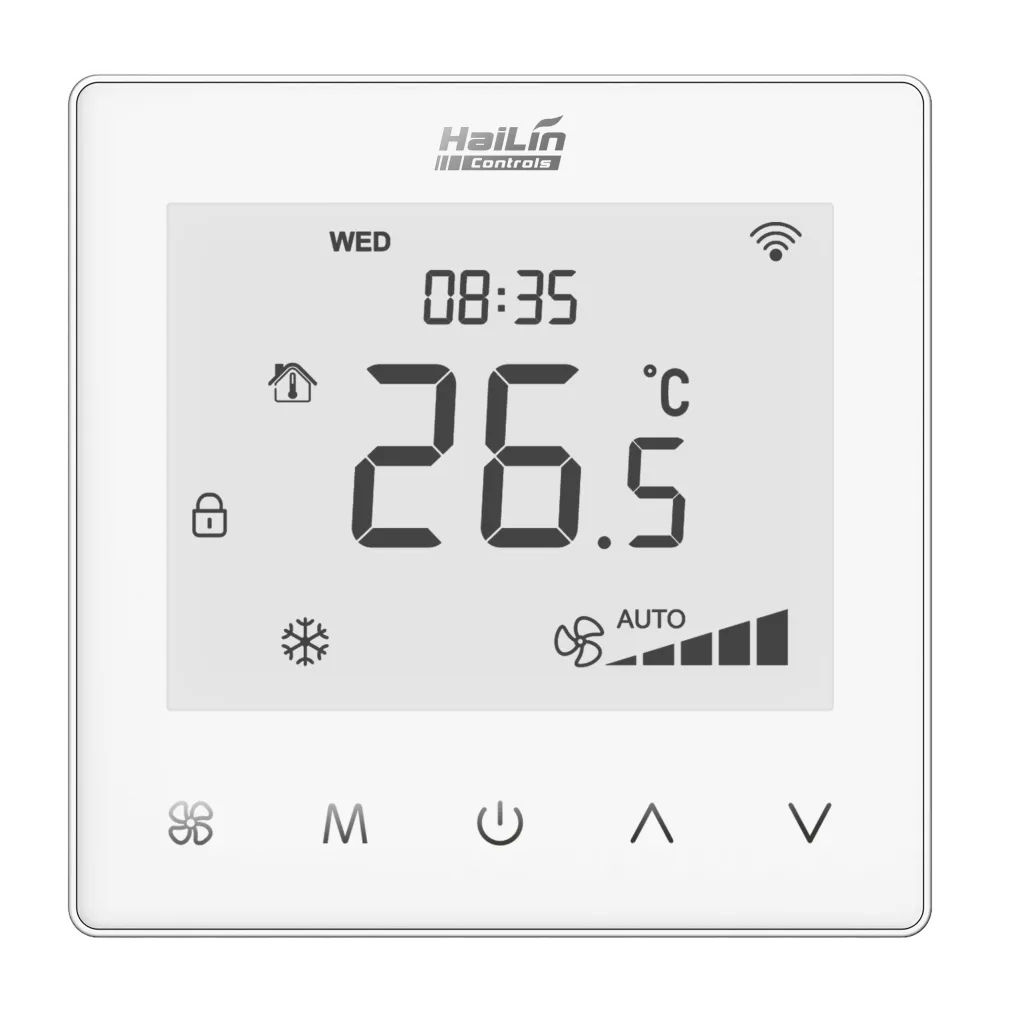
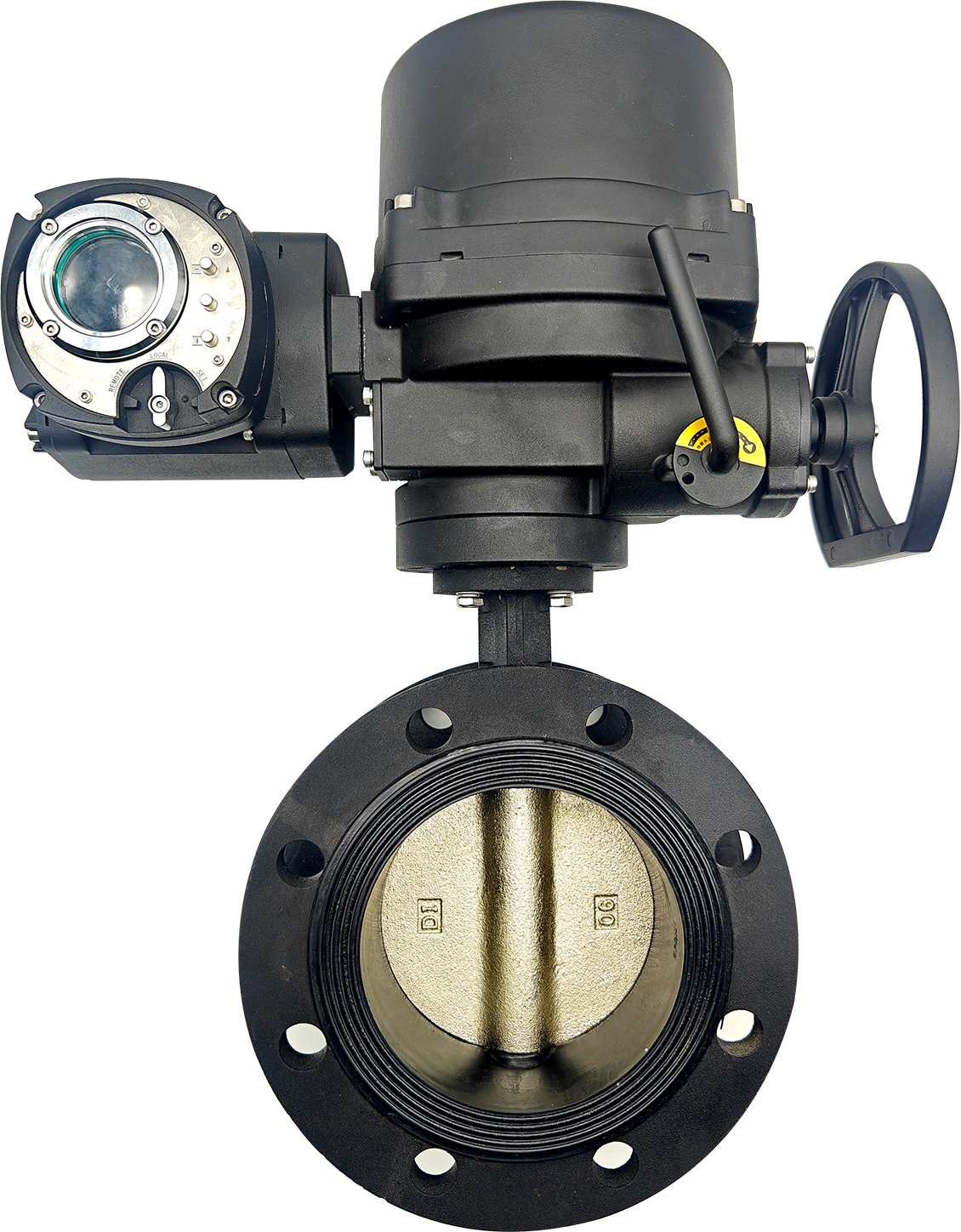
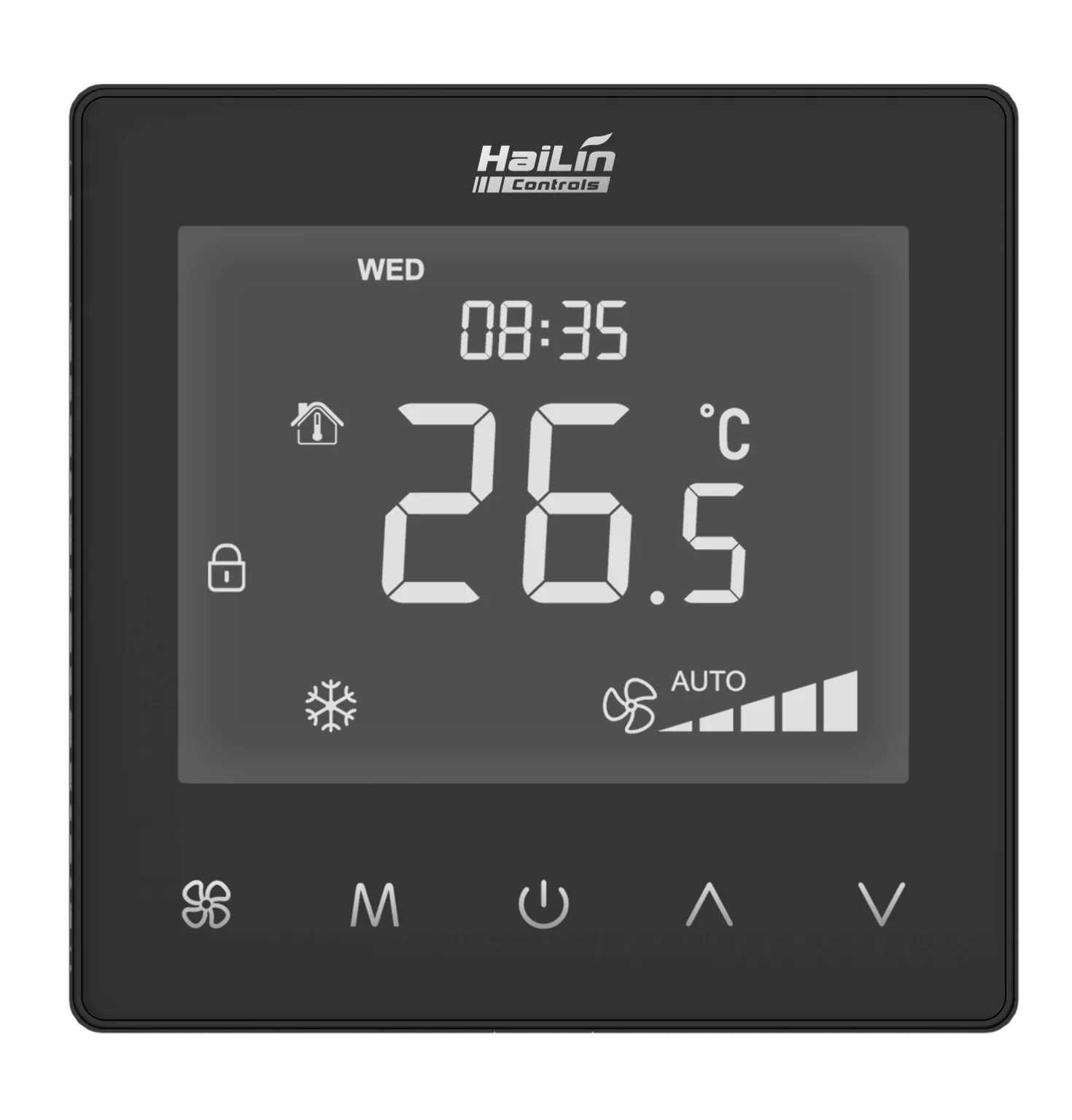
For HVAC terminal control applications, HaiLin’s broader product portfolio also includes Fan Coil Thermostat and compatible valve control solutions for intelligent temperature management and building automation applications.
The Energy Management System integrates approximately 1,582 energy meters, including electricity meters, remote water meters, and energy meters.
The system provides real-time monitoring, statistical analysis, and management of multiple energy types, including:
Through sub-metering and area-based measurement, the system enables facility managers to understand energy consumption across different systems and functional areas.
The system can identify abnormal energy consumption, generate energy reports, and provide data-based support for energy-saving optimization.
This enables the park to move from basic energy monitoring toward more refined and data-driven energy management.
The Intelligent Lighting Control System automatically manages lighting according to factors such as natural light levels, occupancy patterns, personnel schedules, and area functions.
The system provides automated lighting switching and dimming for public areas and other applicable spaces, helping reduce unnecessary lighting energy consumption while improving the overall lighting environment.
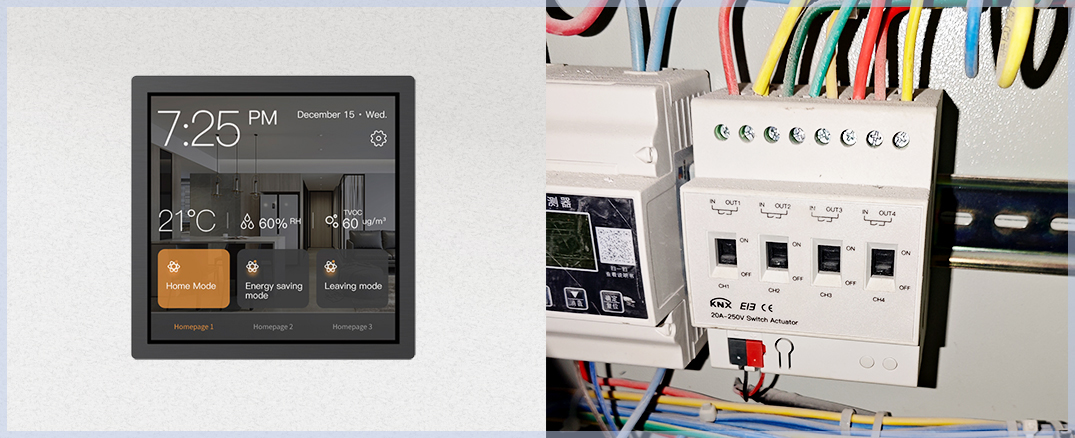
For private offices, open-plan office areas, and meeting rooms, where intelligent control, occupant comfort, and energy efficiency are particularly important, HaiLin deployed a KNX intelligent lighting control system.
Public areas and corridors are equipped with high-sensitivity motion sensors.
The system detects occupant activity and automatically controls lighting according to actual occupancy.
When people enter an area, the lights can be switched on automatically. When an area becomes unoccupied, the system can switch the lights off.
This occupancy-based lighting control helps avoid unnecessary lighting operation and reduces energy waste.
The KNX-based lighting solution provides a more flexible approach to intelligent lighting management and can be integrated into broader smart building control strategies.
For buildings requiring centralized user control, HaiLin’s smart building portfolio also includes Smart Control Panel solutions for intelligent control applications.
For private offices, open-plan office areas, and meeting rooms, HaiLin deployed Air Quality Sensor solutions to monitor key indoor environmental parameters in real time.
The sensors monitor:
These environmental data provide greater visibility into indoor conditions and support a healthier and more comfortable working environment.
HaiLin’s sensor portfolio includes Air Quality Sensor solutions as well as indoor and outdoor environmental sensing products for different building automation applications.
By collecting real-time environmental data, sensors can also provide important input for intelligent HVAC control and energy management.
The EBA solution connects building automation, energy management, intelligent lighting, and environmental monitoring through a unified management platform.
Instead of allowing individual systems to operate as isolated data silos, the integrated platform enables centralized monitoring of building equipment and coordinated analysis of energy and environmental data.
The solution combines field-level devices such as DDC, sensors, Intelligent Gateway devices, and energy meters with centralized software and management functions.
At the system level, HaiLin’s HaiLin-AIoT Platform provides a foundation for connecting building equipment and operational data to intelligent building and energy management applications.
This integrated architecture improves the efficiency of park property management and provides a stronger digital foundation for future intelligent applications.

The EBA solution breaks down the traditional separation between individual building subsystems.
Through one integrated platform, facility managers can monitor building equipment, analyze energy data, and coordinate system operation.
This improves property management efficiency, strengthens coordination between different building systems, and provides a more comprehensive view of park operations.
The project combines automated energy-saving operation of building equipment, including HVAC and lighting systems, with refined energy monitoring and management.
Energy consumption can be measured and analyzed by different systems and functional areas, while equipment operation can be adjusted according to actual requirements.
This combined approach helps reduce unnecessary energy consumption and supports the park’s goals for energy efficiency and carbon reduction.
Occupancy sensing, intelligent lighting control, and indoor environmental monitoring enable building systems to respond more intelligently to actual user and environmental conditions.
The use of Air Quality Sensor solutions for monitoring PM2.5, CO₂, temperature, and humidity provides additional visibility into indoor environmental quality.
Together with intelligent lighting and HVAC control, these technologies help create a more comfortable and user-oriented working environment for high-tech enterprises and their employees.
The EBA system generates substantial amounts of real-time equipment operating data, energy consumption data, and indoor environmental data.
These data provide an important foundation for the park’s AI + Energy platform, creating richer data sources and application scenarios for intelligent energy applications.
The data generated through building automation and energy management can support activities such as algorithm training, model validation, and product innovation, helping connect building operation with the wider digital energy industry ecosystem.
By integrating building automation, energy management, intelligent lighting, environmental monitoring, and digital data management, the HaiLin EBA solution provides an important digital foundation for efficient park operation.
The solution supports the park in improving energy efficiency, reducing unnecessary energy consumption and carbon emissions, and developing a more intelligent and sustainable operating model.
The successful development of Zhongguancun Science City AI Digital Energy Industrial Park • Haikai Park demonstrates the integration of advanced industrial planning with digital technologies in a modern high-tech park.
For a project covering more than 240,000 m², HaiLin Controls deployed an integrated EBA Energy and Building Automation System combining HBAC, HEMS, and HLCS.
With approximately 21,865 building automation points and 1,582 energy meters, the solution connects building equipment control, energy monitoring, intelligent lighting, and indoor environmental monitoring through an integrated digital platform.
The deployment of DDC, Intelligent Gateway, Air Quality Sensor, KNX intelligent lighting, occupancy sensing, and other building automation technologies enhances the intelligence, energy efficiency, and user experience of the park.
At the same time, the real-time equipment, energy, and environmental data generated by the EBA system provide a valuable data foundation for the park’s AI + digital energy ecosystem, supporting algorithm training, model validation, and product innovation.
By combining intelligent building automation with refined energy management, HaiLin Controls helps create a more efficient, comfortable, intelligent, and low-carbon operating environment for the next generation of technology-focused industrial parks.
We value your privacy
We use cookies to enhance your browsing experience, serve personalised ads or content, and analyse our traffic. By clicking "Accept All", you consent to our use of cookies.
Customise Consent Preferences
We use cookies to help you navigate efficiently and perform certain functions. You will find detailed information about all cookies under each consent category below.
The cookies that are categorised as "Necessary" are stored on your browser as they are essential for enabling the basic functionalities of the site. Show more
Necessary cookies are required to enable the basic features of this site, such as providing secure log-in or adjusting your consent preferences. These cookies do not store any personally identifiable data.
Functional cookies help perform certain functionalities like sharing the content of the website on social media platforms, collecting feedback, and other third-party features.
Analytical cookies are used to understand how visitors interact with the website. These cookies help provide information on metrics such as the number of visitors, bounce rate, traffic source, etc.
Performance cookies are used to understand and analyse the key performance indexes of the website which helps in delivering a better user experience for the visitors.
Advertisement cookies are used to provide visitors with customised advertisements based on the pages you visited previously and to analyse the effectiveness of the ad campaigns.