
Building Automation & HVAC Control Solutions for Transportation Hubs

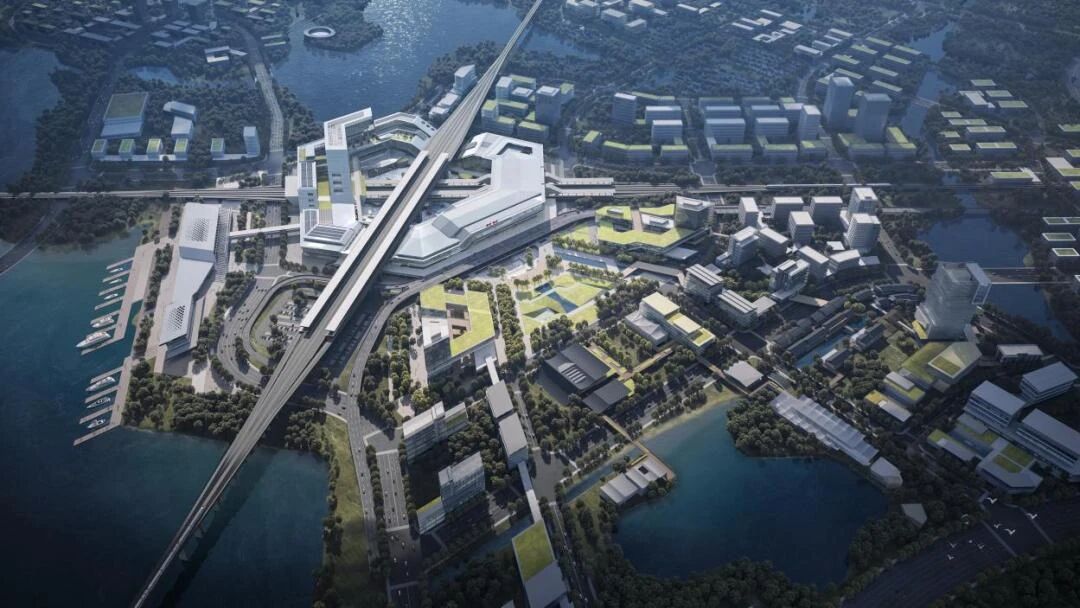
HaiLin Controls provides integrated building automation and HVAC control solutions for transportation hubs and public facilities, helping airports, railway stations, transit centers, underground transportation spaces, and other large public buildings improve indoor comfort, environmental safety, operational visibility, and energy efficiency. By combining thermostats, sensors, DDC controllers, I/O modules, intelligent gateways, motorized valves, and intelligent building management platforms, HaiLin creates scalable control systems for demanding transportation environments.

Industry Challenges

Environmental Safety Challenges

Continuous monitoring and rapid response are required to ensure safe and reliable transportation hub operations.

High Energy Consumption

Large-scale facilities and 24/7 operation drive significant energy demand and sustainability pressure.

System Silos & Limited Visibility

Independent systems hinder data sharing, coordinated control, and operational efficiency.

Passenger Comfort Management

Dynamic passenger flows require intelligent environmental control and adaptive building operation.

HaiLin Transportation Hub Solution

HaiLin Controls delivers a comprehensive EBA (Energy & Building Automation) solution for transportation hubs, integrating Building Automation, Energy Management, terminal monitoring, environmental monitoring, and smart lighting into a unified intelligent platform.


Powered by the HAI Platform, DDC controllers, environmental sensors, LoRa wireless thermostats, and intelligent lighting modules, the solution enables centralized monitoring, control, and management of HVAC systems, fresh air units, cooling plants, water supply and drainage systems, and ventilation systems.


The solution can combine different field devices according to project requirements. DDC controllers manage control logic and connected HVAC equipment, while I/O Modules expand available input and output points for larger systems. Intelligent Gateways provide communication and integration functions between field devices and higher-level management systems.


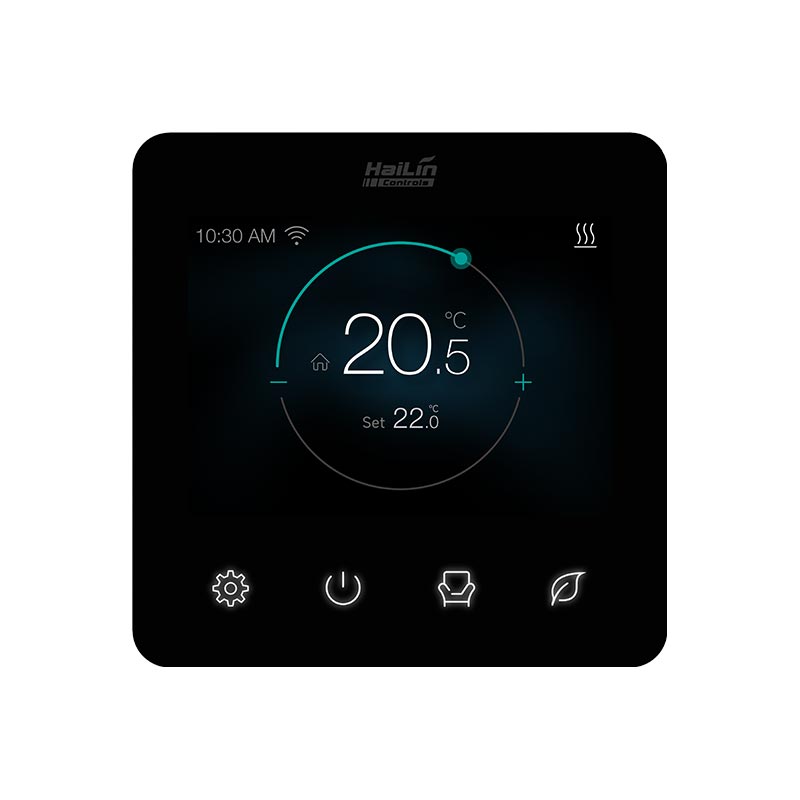
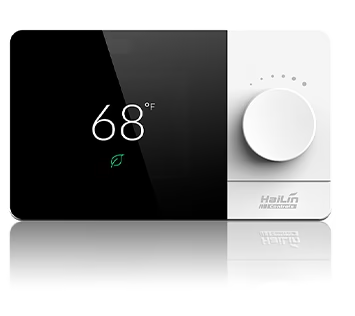
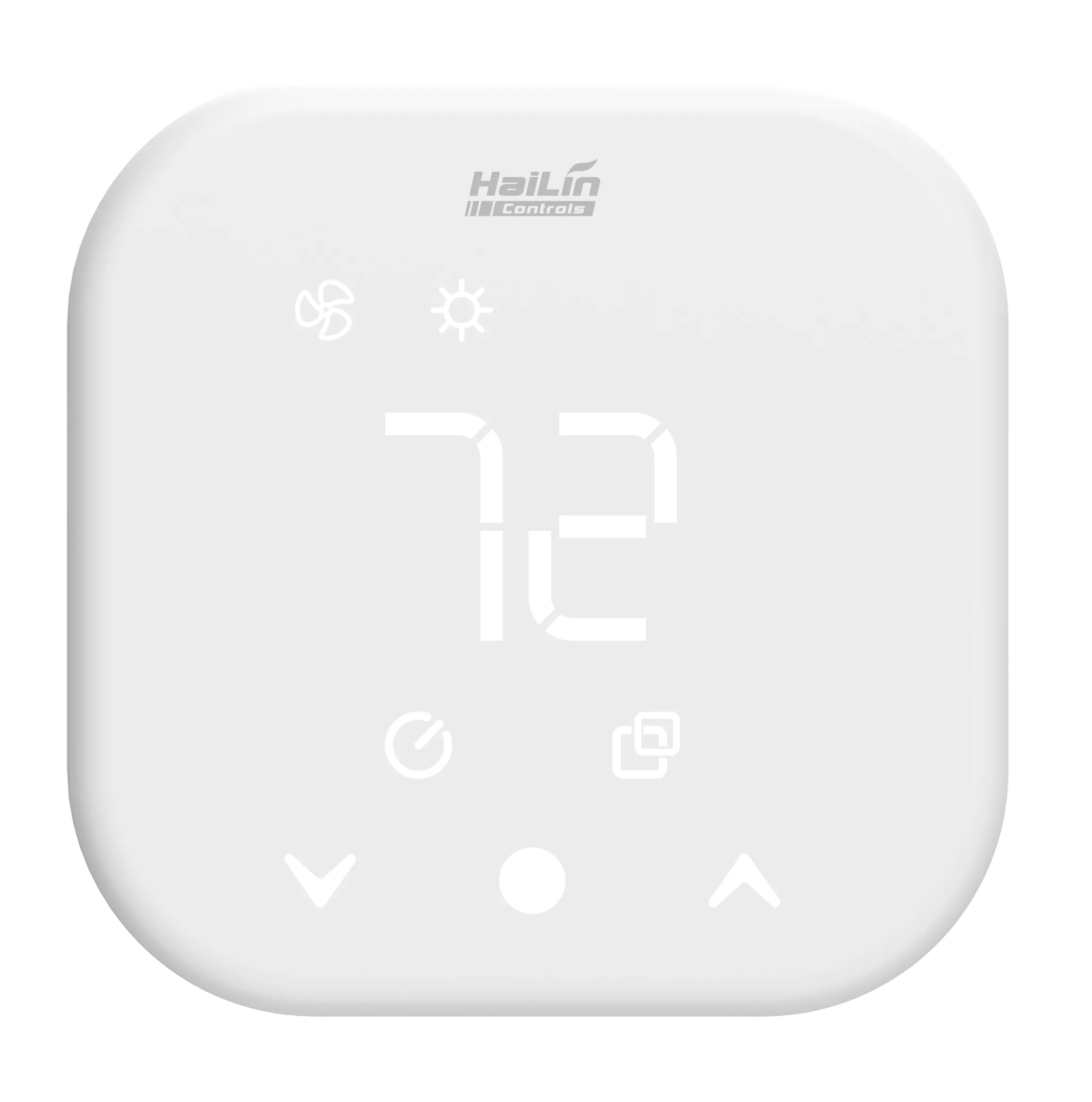
At the room and terminal level, Fan Coil Thermostats, Heating Thermostats, DX-System Thermostats, and FCU with PI Control Valve Thermostats can support temperature and HVAC equipment control. Thermal Valves, Balance Valves, Electric Modulating Valves, Fan Coil Motorized Valves, and Intelligent Balance Valves can be applied to hydronic and terminal HVAC control according to system requirements.


For environmental monitoring, the solution can incorporate Duct Air Sensors, Water Pipe Sensors, Air Quality Sensors, and Indoor/Outdoor Sensors to collect operating and environmental data.


Leveraging AI-driven optimization algorithms, the platform can continuously analyze operational data and dynamically adjust equipment operating strategies to support demand-based energy management and system-wide optimization. By improving energy efficiency, environmental quality, and operational reliability, the solution helps transportation hubs create safer, smarter, and more sustainable facilities.


How the Transportation Facility Building Automation System Works


A transportation facility automation system typically connects field sensing, local control, equipment regulation, communication, and centralized management into one coordinated architecture.


1. Environmental & Equipment Monitoring

The system collects data from Duct Air Sensors, Water Pipe Sensors, Air Quality Sensors, Indoor/Outdoor Sensors, and other compatible field devices. These sensors can monitor temperature, humidity, air quality, and equipment-related conditions according to project requirements.


2. Local HVAC Control

DDC controllers process field data and execute HVAC control logic for connected systems. With additional I/O Modules, the control system can support larger numbers of sensors, actuators, valves, fans, pumps, and other field points.


3. Valve and Terminal Control

Thermal Valves, Balance Valves, Electric Modulating Valves, Fan Coil Motorized Valves, and Intelligent Balance Valves can regulate water flow and HVAC terminal operation. Combined with suitable thermostats and controllers, these devices help coordinate room-level comfort and system-level HVAC performance.


4. Wireless & System Integration

For facilities where wiring is difficult or where flexible deployment is required, wireless communication such as LoRaWAN can support connected field devices and thermostats. Intelligent Gateways can help connect distributed devices and communicate with the upper-level automation platform.


5. Centralized Building Management

The HaiLin system platform brings operational information together for centralized monitoring, configuration, alarms, data analysis, and system management. This supports a more integrated approach to BAS, BMS, HVAC automation, and energy management.

Environmental Safety & Comfort Assurance

HaiLin’s EBA platform combines real-time monitoring with intelligent response to ensure environmental safety and passenger comfort across transportation hubs.

By integrating air quality sensors, CO sensors, temperature and humidity sensors, and terminal monitoring devices, the system provides 24/7 environmental monitoring for underground spaces, passenger terminals, hotels, and public areas.

Underground Space Safety

CO sensors continuously monitor air quality and automatically coordinate with ventilation systems to prevent hazardous gas accumulation and ensure occupant safety.

Wireless IoT Connectivity

LoRaWAN technology enables reliable wireless communication in large and complex buildings, simplifying deployment while ensuring stable data transmission.

Passenger Comfort Optimization

Temperature, humidity, and PM2.5 sensors continuously monitor environmental conditions and dynamically adjust fresh air systems, creating a healthier and more comfortable environment for passengers.

Intelligent Energy Management:Cross-System Data Integration & Demand-Driven Energy Supply

The HAI Platform integrates Energy Management Systems (EMS) and Building Automation Systems (BAS) into a unified framework, enabling data sharing and coordinated control across multiple building systems.


By continuously monitoring and analyzing electricity, water, cooling energy, and other utility consumption, the platform can establish a broader view of facility energy performance and provide centralized visibility into operating conditions.


The platform can combine information from DDC controllers, sensors, gateways, thermostats, valves, and other building control devices. This creates a connected data flow from field equipment to centralized management.


Through intelligent alerts, demand analysis, and automated equipment coordination, the system can dynamically balance energy generation, distribution, and consumption. This demand-driven approach supports efficient equipment scheduling, improves operational visibility, and helps reduce unnecessary energy waste.


For transportation facilities with large and changing loads, integrated energy management can also help facility operators identify abnormal operating conditions, compare energy performance across different areas, and make more informed decisions about HVAC operation.

Balancing Occupant Comfort and Energy Efficiency

The successful deployment of HaiLin’s EBA platform in complex building environments demonstrates how intelligent building technologies can support operational efficiency, environmental quality, and energy performance at the same time.


Rather than treating passenger comfort and energy efficiency as separate goals, an integrated building automation system can coordinate environmental monitoring, HVAC control, equipment operation, and energy data within one framework.


For example, sensor data can provide real-time environmental information, DDC controllers can execute programmed control strategies, Electric Modulating Valves and other valve products can regulate compatible HVAC systems, while thermostats support room-level comfort control.


This coordinated approach can be applied across large transportation hubs, public facilities, passenger terminals, underground spaces, and other complex buildings where different zones have different operational requirements.


From large-scale transportation hubs to landmark urban developments, HaiLin remains committed to delivering intelligent, safe, comfortable, and sustainable building environments through innovative energy and building automation technologies.

Empowering Smarter, Safer, and Greener Transportation Infrastructure for the Future.


Why Choose HaiLin for Transportation Facility Automation?


Comprehensive Building Automation Product Portfolio

HaiLin’s product portfolio covers thermostats, sensors, controllers, valves, gateways, smart control products, and management platforms, allowing multiple layers of a building automation system to be connected through one product ecosystem.


Experience in Large-Scale Projects

HaiLin reports experience across airports, public facilities, commercial complexes, and other large and complex projects, supporting applications where reliable operation, environmental control, and energy management are important.


Integrated HVAC & Energy Management

The combination of field devices, DDC controllers, gateways, HVAC control products, and management platforms supports an integrated approach to HVAC automation, building automation, and energy management.


Project-Oriented Technical Support

HaiLin provides support throughout the project lifecycle, including project assessment, product selection, system design, logistics planning, installation guidance, technical training, and after-sales technical support.

REQUENTLY ASKED QUESTIONS


What types of transportation facilities can HaiLin’s building automation solutions support?

HaiLin’s solutions can be configured for airports, railway stations, metro facilities, transit hubs, underground transportation spaces, and other large public facilities where HVAC automation, environmental monitoring, and energy management are required.

Can the system monitor indoor air quality?

Yes. HaiLin offers Air Quality Sensors for monitoring parameters such as temperature, humidity, PM2.5, CO₂/eCO₂, and TVOC on applicable models. Selected models support communication methods such as RS-485, Wi-Fi, LoRa, or ZigBee for building automation integration.


Can HaiLin monitor underground transportation spaces?

For applicable projects, CO sensors and environmental monitoring devices can be integrated with ventilation and building control systems. This can help monitor air conditions and support coordinated ventilation strategies.


Can HaiLin’s DDC controllers integrate with other building automation systems?

The available integration method depends on the selected equipment and project architecture. HaiLin’s I/O modules support BACnet MS/TP and Modbus RTU on applicable models and can be connected to compatible third-party building automation systems.


What is the role of an I/O Module in a transportation facility?

An I/O Module expands the available input and output points of a DDC controller. It can be used to connect additional sensors, equipment status signals, actuators, valves, dampers, fans, pumps, and other field devices according to project requirements.

CUSTOMER REVIEWS

Andrew Cherry
Chief Financial Officer
Large commercial buildings—such as office towers, airports, hotels, and mixed-use complexes—are becoming increasingly complex to operate and manage. HVAC systems account for a major portion of energy consumption, while fragmented control systems and diverse tenant requirements make efficient management difficult. Facility managers face rising energy costs, limited system visibility, high maintenance workloads, and growing pressure to improve comfort, efficiency, and sustainability across the entire building lifecycle.
<
>

FREQUENTLY ASKED QUESTIONS (FAQS)

What is your MOQ?
This depends on the specific product. Because we have a wide range of products, the minimum order quantity needs to be determined based on the specific product type.
Can we request a customize design or private labeling?
This depends on the specific product. Because we have a wide range of products, the minimum order quantity needs to be determined based on the specific product type.
What is your payment term for new clients?
This depends on the specific product. Because we have a wide range of products, the minimum order quantity needs to be determined based on the specific product type.
How do you ensure product quality control?
This depends on the specific product. Because we have a wide range of products, the minimum order quantity needs to be determined based on the specific product type.
What is your pricing structure for bulk orders?
We offer tiered pricing. The unit price decreases significantly as your order volume increases
What is your sample lead time and cost?
We offer tiered pricing. The unit price decreases significantly as your order volume increases
What is your warranty policy?
We offer tiered pricing. The unit price decreases significantly as your order volume increases
Are your products have certified?
We offer tiered pricing. The unit price decreases significantly as your order volume increases

CUSTOMER CASE

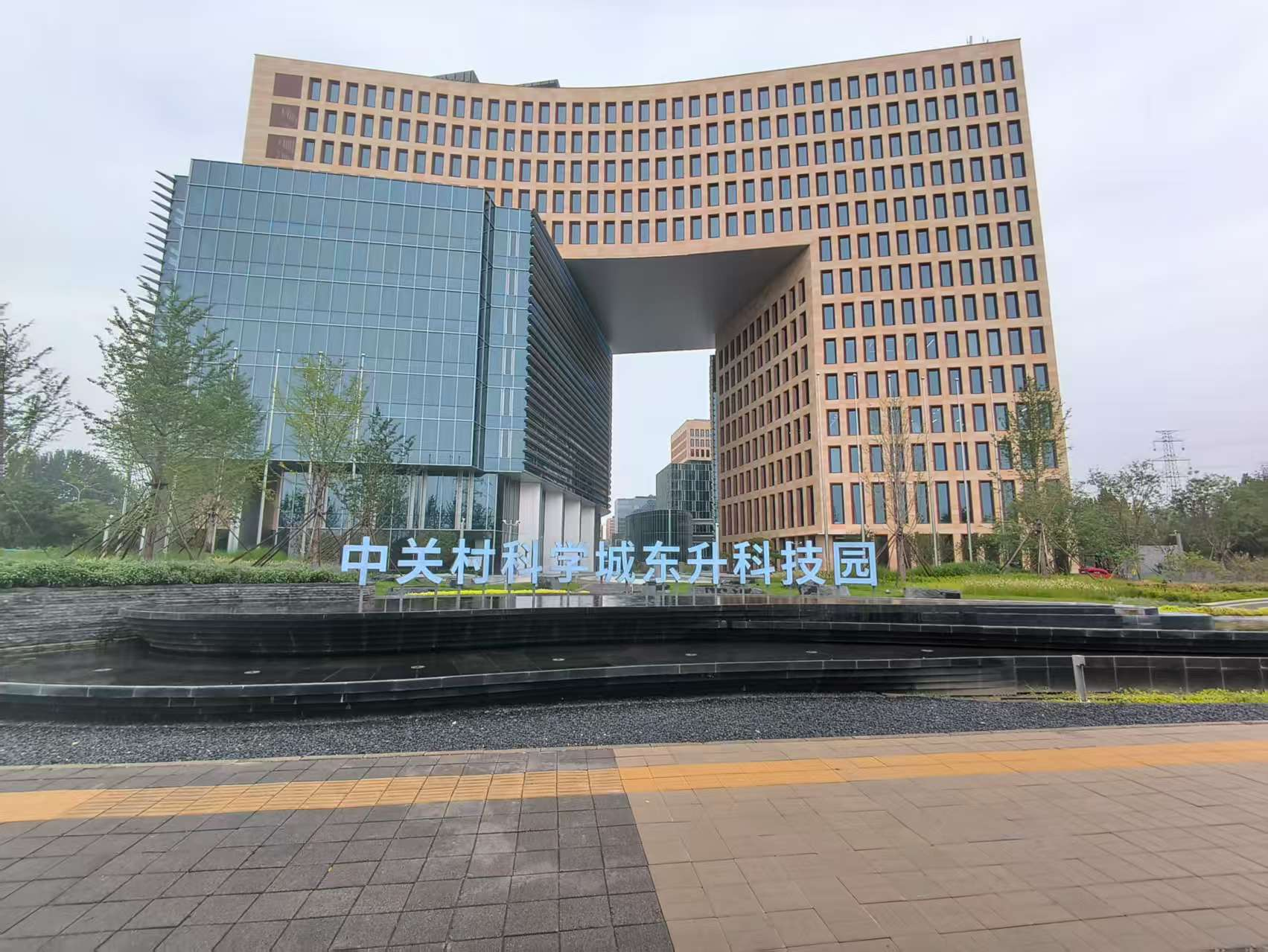
HaiLin EBA Energy and Building Automation System for Zhongguancun Science City Dongsheng Technology Park • Haikai Park

Project Overview Building a Digital Energy Innovation Hub for a Smart Technology Park   Beijing Zhongguancun Science City AI Digital Energy Industrial Park, also known as Zhongguancun Science City Dongsheng Technology Park • Haikai Park, is a technology innovation and service-oriented industrial park focused on high-tech and high-value industries.   The project is one of […]
HaiLin EBA Energy and Building Automation System for Zhongguancun Science City Dongsheng Technology Park • Haikai Park
Beijing Yanqi Lake Institute of Applied Mathematics Project
Project Overview Qinhuangdao Bovi Fortune Center, with a total construction area of 53,862 square meters, is a large-scale urban complex integrating a high-end hotel, boutique retail spaces, and office buildings. To improve HVAC operating efficiency and reduce electricity costs, the project adopts an economical and energy-efficient water thermal storage system consisting of chillers, electric boilers, […]
Beijing Yanqi Lake Institute of Applied Mathematics Project
Qinhuangdao Bovi Fortune Center Centralized Control Project
During the 2022 Winter Olympics, the National Stadium “Bird’s Nest” served as the venue for the opening and closing ceremonies. Hailin Controls upgraded the stadium’s original heating thermostats to deliver more precise temperature control, improved energy efficiency, and stable indoor comfort throughout the event. Since first entering the Bird’s Nest in 2006, Hailin has accompanied the stadium for 14 years across four major phases—from the 2008 Summer Olympics to the
Qinhuangdao Bovi Fortune Center Centralized Control Project

We value your privacy

We use cookies to enhance your browsing experience, serve personalised ads or content, and analyse our traffic. By clicking "Accept All", you consent to our use of cookies.