





Lack of dynamic control and optimization results in approximately 15%–25% annual energy waste, reducing overall HVAC system efficiency.
Traditional manual inspections are inefficient, leading to higher maintenance costs, delayed fault response, and increased equipment wear.
Lighting systems often operate at fixed intensity levels without occupancy awareness, zoning control, or intelligent adjustment, resulting in unnecessary energy consumption.
Building subsystems operate independently, preventing data sharing, coordinated control, and centralized management across the facility.
Global Sustainability Trends
· Stricter carbon reduction and energy efficiency regulations
· Growing adoption of ultra-low-energy and green building standards
· Accelerated retrofit of existing buildings for improved sustainability
· Increasing focus on carbon accounting and emissions management
· Expansion of carbon markets and decarbonization initiatives
From Traditional Building Automation (BA) to Energy & Building Automation (EBA)
Traditional BA
Reactive Equipment Control
Independent Operation of Isolated Systems
Fixed Thresholds with Manual Configuration
Post-Event Fault Handling
Passive Building Management
EBA Energy & Building Automation
Demand-Driven Energy Supply & Supply–Demand Balance
Cross-System Collaboration & Coordinated Control
AI-Powered Dynamic Load Optimization
Predictive Maintenance
Proactive Optimization
The HAI Platform integrates core system modules including Energy Management, Building Automation, Heating & Cooling Energy Distribution, and Terminal Monitoring into a unified management platform. Through centralized coordination and intelligent control, the platform enables efficient energy generation, optimized energy distribution, and effective energy utilization throughout the building lifecycle.
Based on real-time terminal energy demand, the system dynamically adjusts the operating status of chillers and heating/cooling units while continuously optimizing network pump parameters. This enables demand-driven energy supply and centralized system coordination, ensuring stable energy delivery while reducing overall HVAC energy consumption.
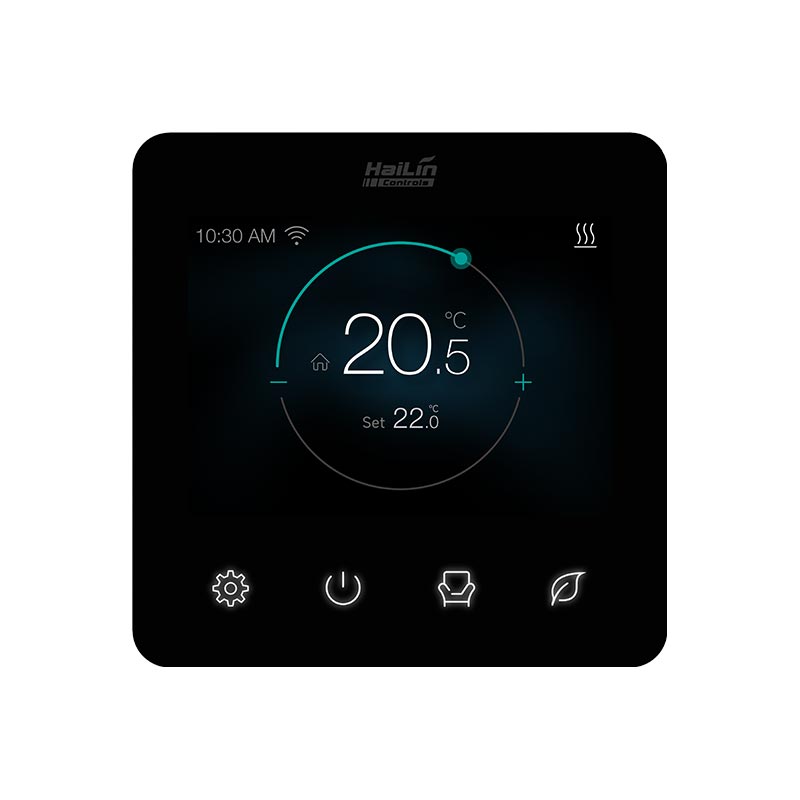
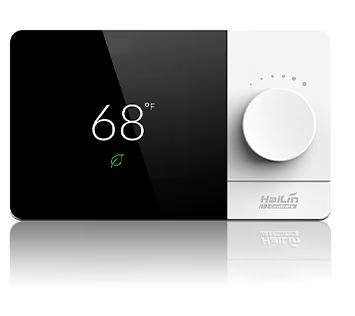
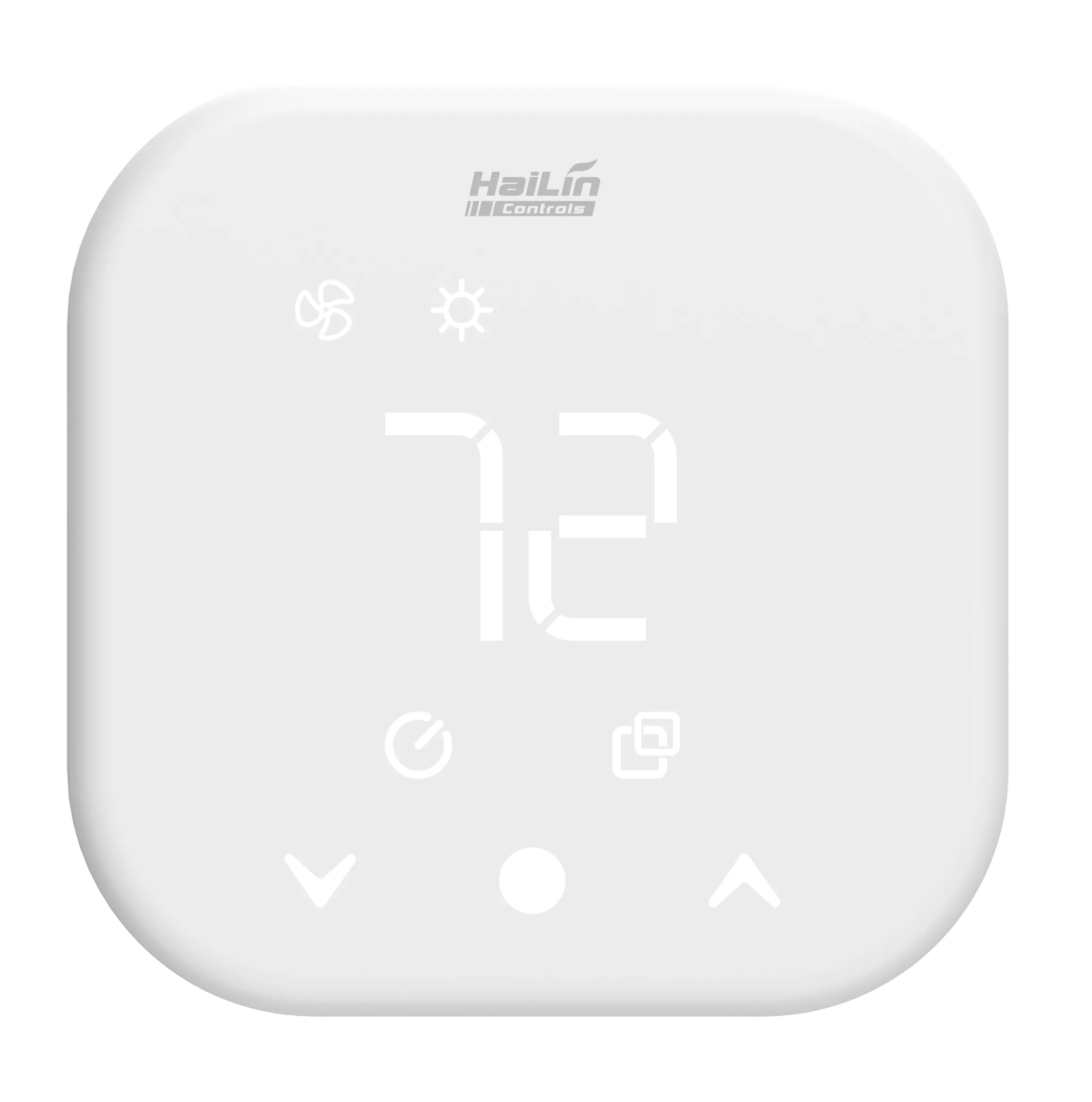
Smart thermostats provide intelligent terminal control, while the HAI Platform continuously collects operational data and analyzes real-time energy demand. By coordinating with heating and cooling sources, the system automatically adjusts energy delivery to ensure optimal comfort and efficiency.
Powered by the HAI Platform, smart valves continuously regulate hydraulic conditions throughout the distribution network, eliminating hydraulic imbalances and enabling precise energy allocation based on actual demand. This significantly improves overall system efficiency and performance.
The system automatically adapts to varying energy demands across different building zones and operating schedules. Through precise, demand-based control, it minimizes energy waste and maximizes the energy efficiency of the HVAC system.
Automatically activates lighting and HVAC when occupants are present and turns them off after a configurable delay when the area becomes vacant, enabling more precise energy management and improved operational efficiency.
When sufficient natural daylight is available, lighting is automatically dimmed or switched off to maintain visual comfort while reducing unnecessary energy consumption.
Combines time-based scheduling with real-time occupancy sensing to enable intelligent management of open-plan office spaces, balancing operational requirements with occupant comfort and flexibility.
AI Energy Optimization Engine
Distributed Reinforcement Learning · Multi-Dimensional Decision Network · Meta-Learning Framework
Built on a distributed reinforcement learning architecture, the platform establishes a multi-dimensional decision network that connects central cooling plants, terminal equipment, and environmental sensing units.By overcoming the limitations of traditional PID control in complex multi-variable and highly coupled operating environments, the system dynamically balances performance across all HVAC subsystems and continuously optimizes overall energy efficiency.This AI-driven approach enables building-wide HVAC optimization and delivers more than 20% improvement in chiller plant efficiency.
Industry Knowledge Graph · 3,000+ Fault Cases · Large Language Model (LLM)
Powered by an industry-specific knowledge graph, a database of more than 3,000 fault cases, and advanced large language model technology, the AI Diagnostic Expert enables intelligent fault detection, root-cause analysis, and maintenance recommendations. By combining historical experience with real-time operational data, it helps reduce troubleshooting time, improve maintenance efficiency, and enhance system reliability.
Dynamic Demand-Driven Control
Real-time monitoring of temperature, humidity, CO₂, and air quality enables intelligent HVAC optimization and demand-based energy allocation, reducing energy waste and improving operational efficiency.
AI-powered load optimization and intelligent HVAC control, combined with predictive diagnostics, enable greater energy efficiency, proactive maintenance, and smarter building operations.
Seamlessly connects data from energy generation to terminal devices, supporting Modbus, BACnet, and MQTT protocols to eliminate data silos and enable unified building intelligence.
Cloud or on-premises deployment, modular architecture, faster implementation, and compliance with modern digital infrastructure requirements.
Automatic optimization of temperature, humidity, and air quality for healthier indoor environments.
Carbon visibility and energy insights to support sustainability goals and compliance initiatives.
AI-powered fault detection, early warning alerts, and proactive maintenance recommendations.
Energy analytics that support tenant billing, retrofit planning, and carbon asset management.
From Building Automation to Energy Intelligence.
Empowering Sustainable, Efficient, and Intelligent Commercial Buildings.
We use cookies to enhance your browsing experience, serve personalised ads or content, and analyse our traffic. By clicking "Accept All", you consent to our use of cookies.
We use cookies to help you navigate efficiently and perform certain functions. You will find detailed information about all cookies under each consent category below.
The cookies that are categorised as "Necessary" are stored on your browser as they are essential for enabling the basic functionalities of the site. Show more
Necessary cookies are required to enable the basic features of this site, such as providing secure log-in or adjusting your consent preferences. These cookies do not store any personally identifiable data.
Functional cookies help perform certain functionalities like sharing the content of the website on social media platforms, collecting feedback, and other third-party features.
Analytical cookies are used to understand how visitors interact with the website. These cookies help provide information on metrics such as the number of visitors, bounce rate, traffic source, etc.
Performance cookies are used to understand and analyse the key performance indexes of the website which helps in delivering a better user experience for the visitors.
Advertisement cookies are used to provide visitors with customised advertisements based on the pages you visited previously and to analyse the effectiveness of the ad campaigns.