Project Overview
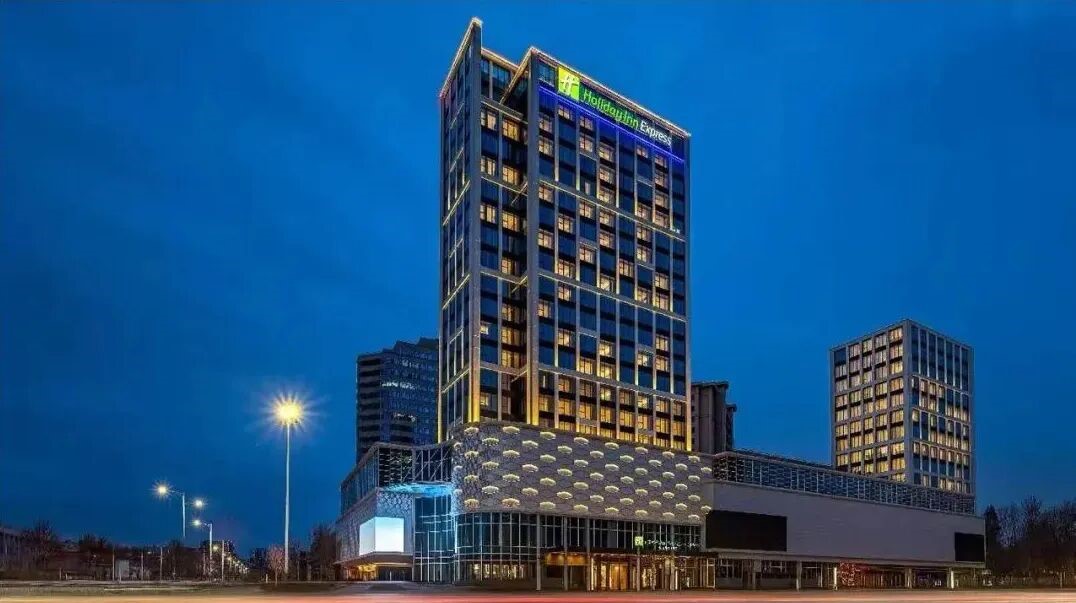
Qinhuangdao Bovi Fortune Center, with a total construction area of 53,862 square meters, is a large-scale urban complex integrating a high-end hotel, boutique retail spaces, and office buildings. To improve HVAC operating efficiency and reduce electricity costs, the project adopts an economical and energy-efficient water thermal storage system consisting of chillers, electric boilers, thermal storage tanks, and large-scale storage reservoirs converted from fire protection water tanks.
The HVAC plant requires coordinated control of multiple types of equipment, including chillers, boilers, cooling towers, circulation pumps, storage and release pumps, and motorized valves. This creates a demanding application scenario for a centralized Building Automation System, HVAC DDC controls, and building energy management.
Such a large-scale thermal storage plant room faces three core challenges:
Strategy Complexity and System Reliability
How to accurately and reliably switch automatically between multiple cooling and heating operating modes while coordinating the operation of chillers, boilers, cooling towers, and up to seven categories of water pumps, while also controlling associated valves and field devices. The system must prevent hydraulic imbalance, equipment conflicts, and operational errors during different thermal storage and release modes.
A reliable DDC control system is therefore required to coordinate equipment start-stop sequences, interlocks, valve control, operating conditions, and real-time field signals.
Refined Energy Management
How to meet the different supply water temperature requirements of hotels, commercial areas, and office buildings while enabling zoned temperature control and on-demand energy supply.
The control system needs to collect operating data from field sensors, process equipment conditions through DDC controllers, and adjust water-side and equipment operation according to actual building demand.
Energy Efficiency Optimization and Cost Control
How to maximize the utilization of off-peak electricity for thermal storage while maintaining occupant comfort, reducing peak electricity loads, and minimizing overall operating costs.
By integrating HVAC equipment control, water-side regulation, energy metering, and centralized monitoring, the system provides a foundation for building automation energy savings and more efficient building energy management.
HaiLin Controls Building Automation System Solution
To address the above challenges, HaiLin Controls provided a complete Building Automation System (BAS) solution integrating both hardware and software for centralized HVAC plant control and energy management.
The system architecture consists of a central management station, network controllers, on-site IoT-DDC controllers, field sensors, and actuators, enabling comprehensive monitoring and control of the entire cooling and heating plant equipment chain.
The BAS system includes approximately 3,500 control points, achieving intelligent dual-mode management for both cooling and heating thermal storage operations based on peak and valley electricity pricing.
Integrated HVAC Control and Energy Management Architecture
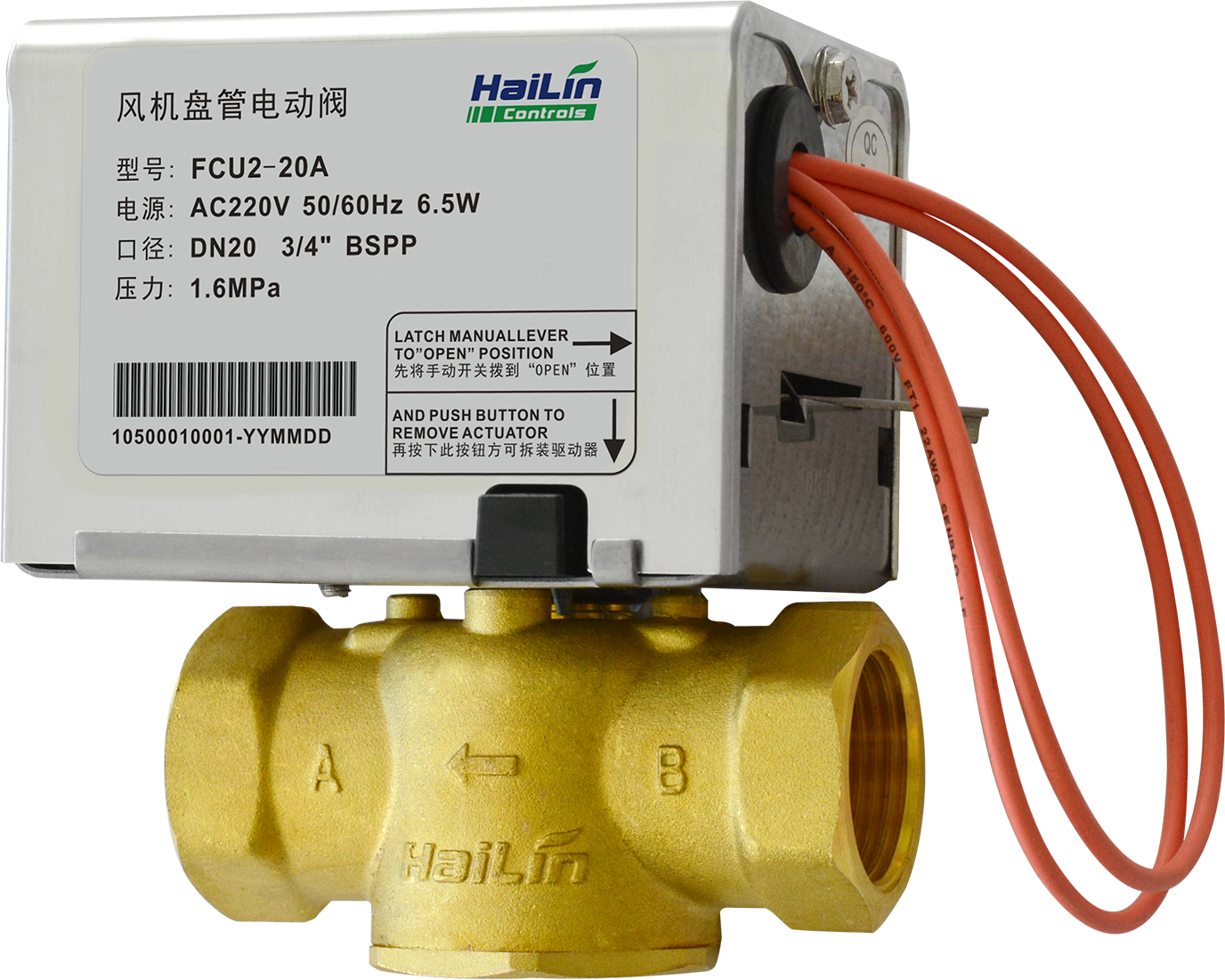
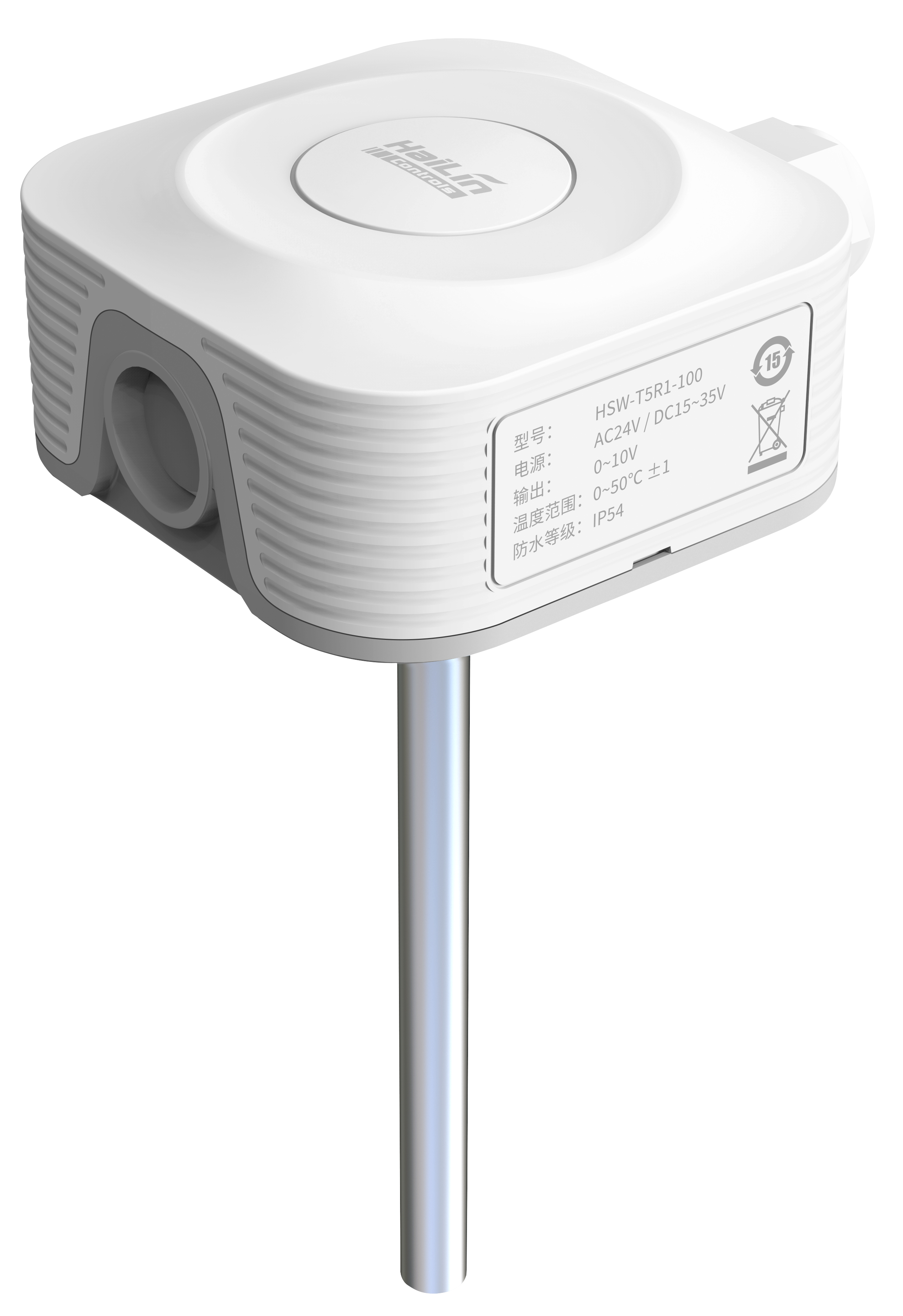
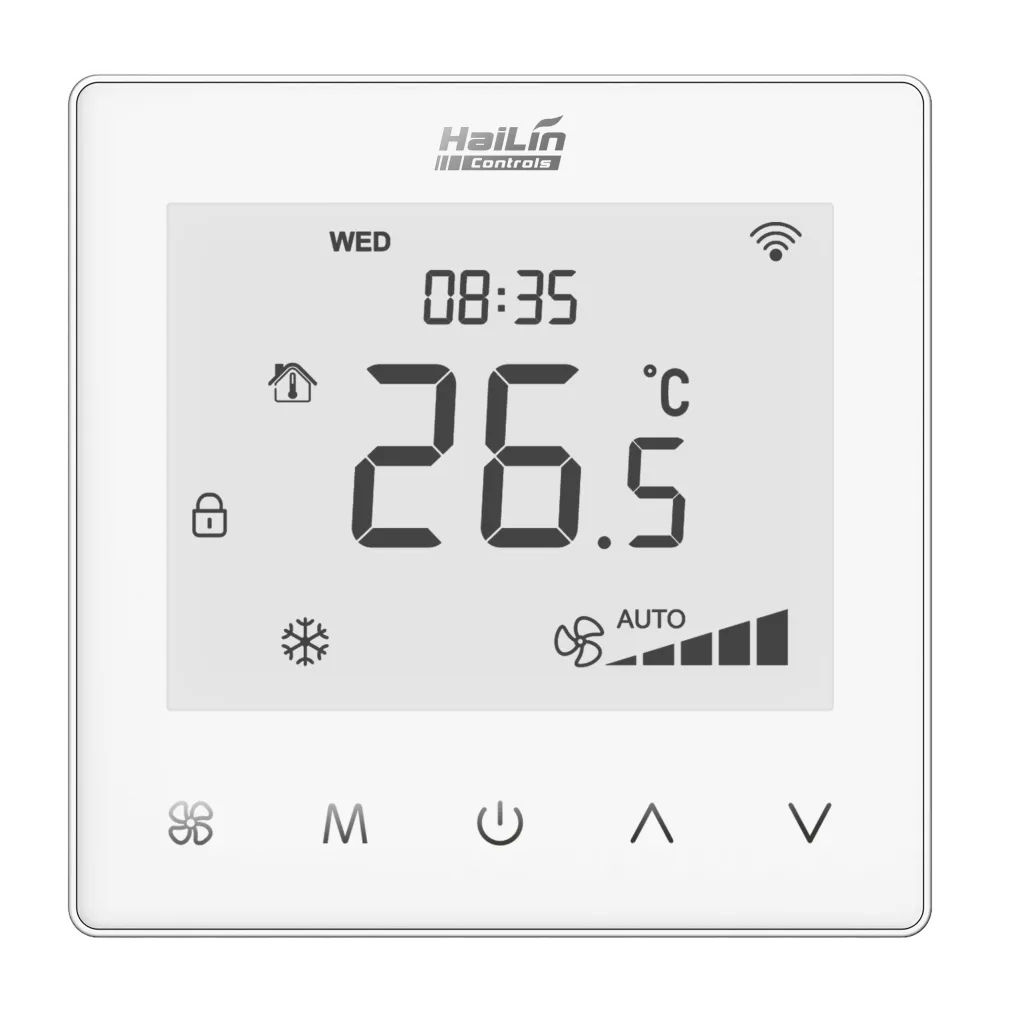
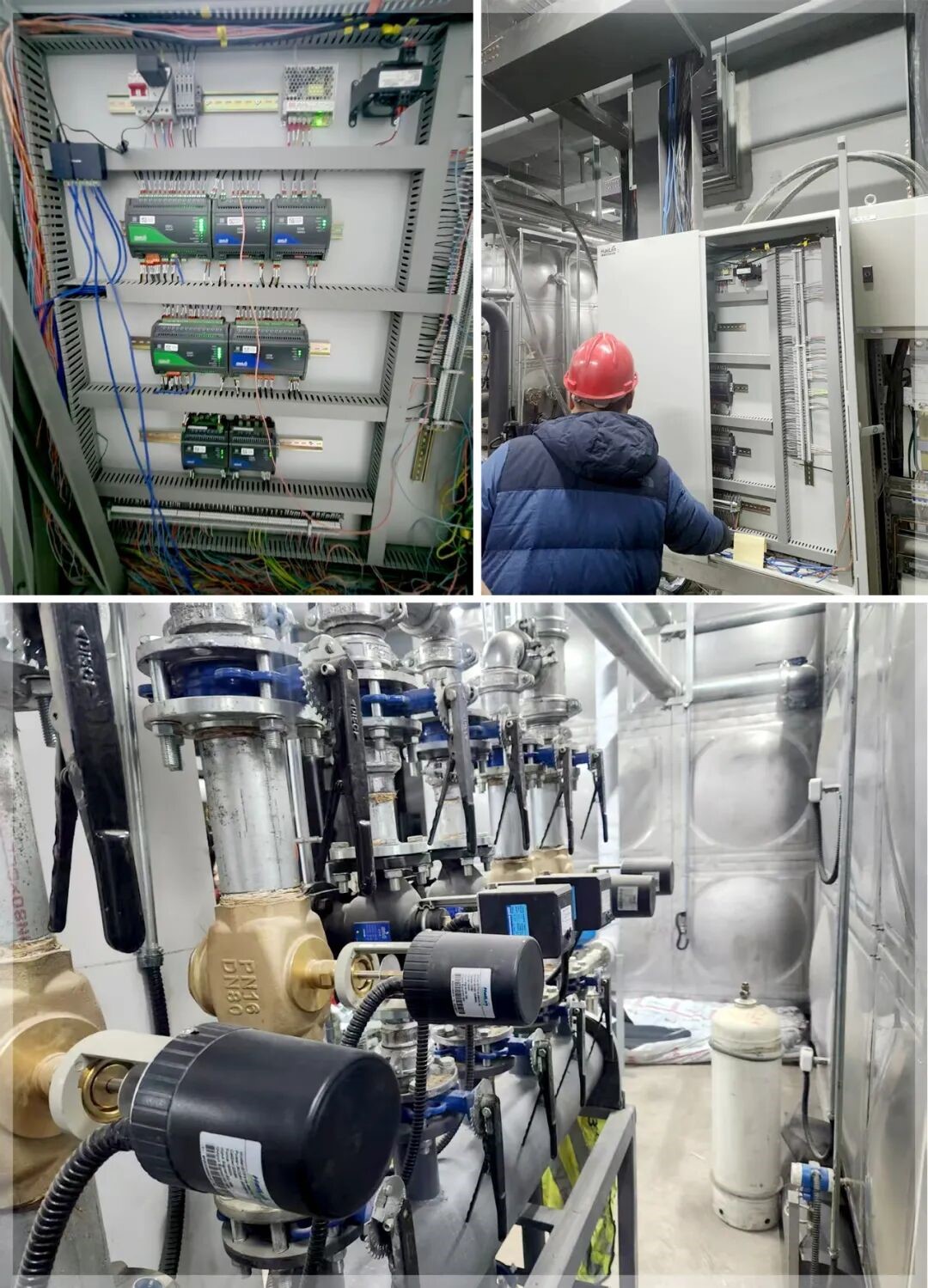
The project forms a complete control chain from field-level measurement to centralized energy management. Water Pipe Sensors and other field sensing devices provide operating data, while DDC controllers process control logic and coordinate equipment operation. I/O Modules can be used to expand field control points where required, while compatible Electric Modulating Valves, balancing devices, pumps, chillers, boilers, and other HVAC equipment execute control commands.
At the management level, the centralized System Platform provides equipment monitoring, operating status visualization, energy data analysis, and coordinated control. This architecture allows the project to connect HVAC equipment, water-side control, field sensing, and energy management within an integrated building automation and energy management system.
Core Functions of the System
»Peak-Valley Electricity-Based Thermal Storage Dispatch and Economic Operation Strategy
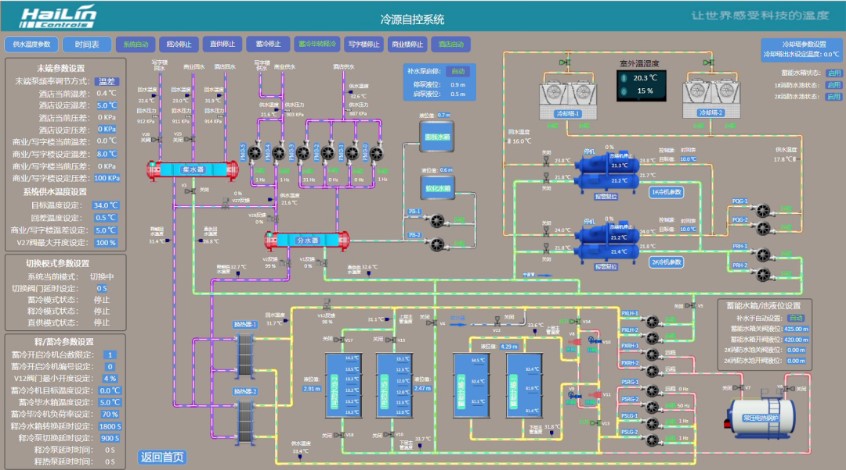
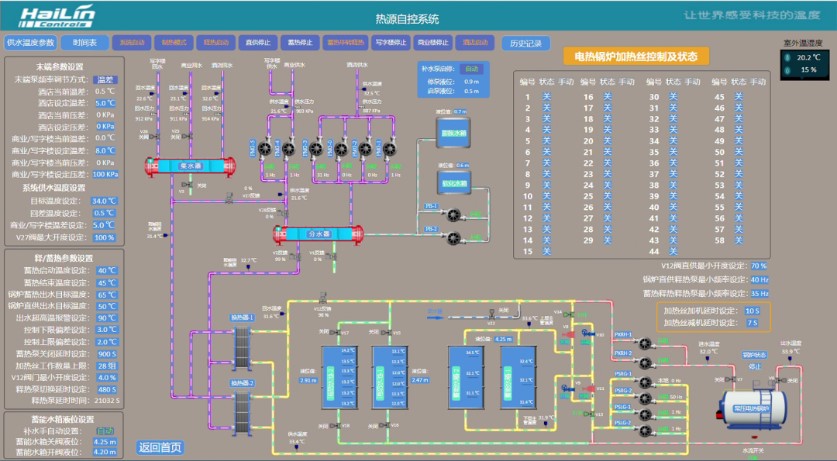
The HaiLin HBAS Building Automation System provides integrated control of chillers, boilers, cooling towers, cooling water circulation pumps, primary and secondary chilled water pumps, cooling storage/release pumps, heating storage/release pumps, and motorized valves through IoT-DDC controllers. The system features built-in adaptive dual-mode switching logic for both cooling and heating operations based on peak-valley electricity pricing and operational scheduling calendars.
· Summer Cooling Operation :During off-peak electricity periods, the system automatically switches to the “Chiller Thermal Storage” mode. Chillers are scheduled to efficiently produce 4°C chilled water, which is stored in the thermal storage tank.During normal and peak electricity periods, the system prioritizes the “Thermal Storage Cooling Release” mode, where only the cooling release pumps and secondary pumps are activated. Cooling is delivered indirectly through plate heat exchangers while the chillers remain in standby mode.
When the cooling load exceeds the storage capacity, the system seamlessly switches to direct chiller cooling or combined cooling operation. Meanwhile, valve openings are dynamically adjusted to maintain stable supply water temperatures, such as 7°C.
·Winter Heating Operation:The winter heating strategy follows the same operational logic. During off-peak electricity periods, electric boilers and thermal storage pumps operate in “Boiler Thermal Storage” mode, storing high-temperature hot water in the thermal storage tank.During non-off-peak periods, the system prioritizes the “Thermal Storage Heat Release” mode. When stored thermal energy becomes insufficient, the system intelligently switches to direct boiler heating or combined heating operation to ensure stable indoor heating performance.According to operational calculations, compared with conventional HVAC systems without thermal storage, this strategy can reduce summer cooling operating costs by more than 30%.
»Zoned Supply Water Temperature Optimization:
The system dynamically adjusts supply water temperature based on real-time outdoor enthalpy values. The hotel area adopts supply water temperature settings ranging from 10°C to 7°C according to different enthalpy intervals, while the commercial and office areas are independently configured with a positive deviation of +1°C to +2°C to avoid excessive cooling.
This zoned control strategy allows the DDC control system to respond to different building loads rather than applying a single supply water temperature across the entire complex.
Field measurement plays an important role in this optimization process. Depending on system configuration and measurement requirements, Water Pipe Sensors can provide temperature, pressure, or flow-related data for water-side HVAC control, while Duct Air Sensors can support air-side environmental monitoring. The collected data can be used by compatible controllers and the centralized System Platform for coordinated HVAC operation.
»Equipment Safety Interlock:
The DDC controllers execute strict start-stop sequences and valve interlock logic to prevent pressure interference between high- and low-pressure loops, while also providing pressure-loss alarm and protection functions.
The control logic coordinates pumps, valves, chillers, boilers, and other plant equipment according to predefined operating sequences. This helps reduce equipment conflicts and supports stable operation of complex HVAC water systems.
For larger control architectures, I/O Modules can provide additional input and output points for distributed field devices. An Intelligent Gateway can also support communication between compatible field devices, controllers, and upper-level building automation systems, depending on the project communication architecture.
»Comprehensive Energy Efficiency Monitoring and Analysis:
The system integrates data from chillers, power meters, thermal energy meters, and other equipment to calculate regional cooling capacity, power consumption, and itemized energy usage in real time, providing chart-based reports for energy efficiency analysis and optimization.
This project was implemented and deployed by Hebei HaiLin Automation Technology Co., Ltd., an authorized distributor of HaiLin Controls. The project has completed commissioning and acceptance, finished system operation training, and entered normal operation.
The successful application of the HaiLin Controls system at Qinhuangdao Bovi Fortune Center demonstrates the technical and engineering capabilities required to address large-scale HVAC energy station systems with complex operating conditions and dual cooling-heating thermal storage requirements.
With peak-valley electricity price utilization as the core control logic, the system achieves integrated control of chillers, boilers, cooling towers, multiple circulation pumps, and valve systems through centralized HVAC DDC controls.
Through the “off-peak energy storage and peak-period energy release” strategy, the system enables automated HVAC plant operation while reducing operating costs and maintaining energy performance and system safety across different building applications.
Building Automation for Commercial Buildings
The Qinhuangdao Bovi Fortune Center project demonstrates how building automation and energy management systems can be applied to complex commercial buildings where hotel, retail, and office spaces have different HVAC requirements.
By combining DDC controllers, field sensors, valve control, centralized monitoring, and energy analysis, the system provides a scalable approach to HVAC plant automation and building energy efficiency.
This project is another benchmark case for HaiLin Controls in the field of building energy efficiency. Its control strategy provides a practical reference for commercial building owners, HVAC engineers, system integrators, and facility management teams seeking more efficient building automation energy savings and centralized HVAC control.
The successful application of the HaiLin Controls system at Qinhuangdao Bovi Fortune Center fully demonstrates the technical strength and engineering implementation capability of Chinese building automation brands in addressing ultra-large-scale energy station systems with complex operating conditions and dual cooling-heating thermal storage requirements.With peak-valley electricity price utilization as the core control logic, the system achieves integrated full-chain control of chillers, boilers, cooling towers, multiple circulation pumps, and valve systems. Through the “off-peak energy storage and peak-period energy release” strategy, the system not only realizes fully automated intelligent HVAC plant operation, but also significantly reduces operating costs while ensuring energy performance and system safety for different building applications.This project is another benchmark case for HaiLin Controls in the field of building energy efficiency, and its control strategy provides important reference value for the industry.