Electric modulating valves are widely used in HVAC water systems because they can adjust flow continuously instead of simply opening or closing. For buyers, engineers, and project contractors, the real challenge is not only choosing the valve size, but also choosing the right control signal: 0-10V, 4-20mA, or floating point.
At first glance, these valves may look almost the same. In practice, the control signal decides whether the actuator can communicate correctly with the DDC controller, thermostat, or BMS. If the signal does not match the project requirement, the valve may not respond, may move incorrectly, or may fail during commissioning.
This guide explains how each signal works, where it is normally used, and what to check before placing an order for an electric modulating valve.
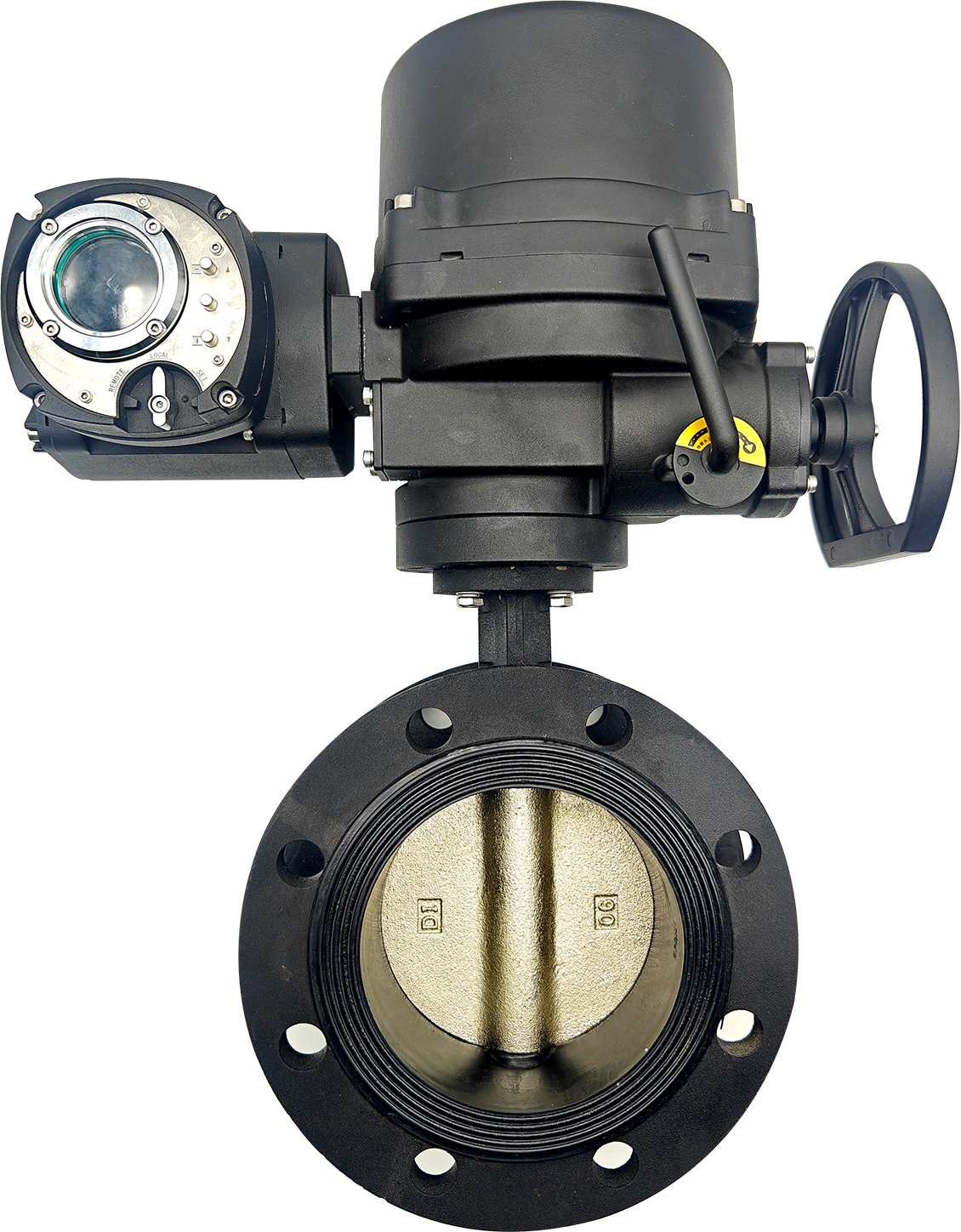
An electric modulating valve is a valve fitted with an electric actuator that can move to different opening positions between fully closed and fully open. Unlike an on/off valve, which has only two positions, a modulating valve can adjust water or steam flow more precisely according to the control signal it receives.
In HVAC systems, modulating valves are commonly used on chilled water coils, hot water coils, fan coil units, air handling units, and plant room piping. By controlling flow more accurately, they help stabilize room temperature, reduce overshooting, and improve energy efficiency.
The control signal is the language between the controller and the valve actuator. A DDC controller may send a voltage signal, a current signal, or a pair of digital open and close commands. The valve actuator must support the same signal type, otherwise the system will not operate correctly.
0-10V is one of the most common control signals in building automation. The controller sends a voltage between 0 and 10 volts, and the valve moves proportionally. In a typical setting, 0V means fully closed, 10V means fully open, and 5V means approximately 50 percent open.
The main advantage of 0-10V is simplicity. It uses straightforward wiring and is supported by most DDC controllers and PI thermostats. It is a practical choice for fan coil units, AHU coil valves, and mechanical room equipment where the cable run is not too long.
The limitation is signal loss over distance. If the cable run becomes too long, voltage drop can cause the actuator to receive a weaker signal than the controller sends. For most commercial HVAC projects with short to medium cable runs, 0-10V remains a reliable and cost effective choice.
4-20mA uses current rather than voltage to control valve position. In a typical setup, 4mA means fully closed, 20mA means fully open, and 12mA means approximately 50 percent open.
The biggest advantage of 4-20mA is stability over long cable runs. Current signals are much less affected by wire resistance and electromagnetic interference, so they are widely used in industrial environments, large mechanical rooms, plant systems, and projects where the controller is far from the valve.
The 4mA starting point also provides a useful fault indication. If the signal drops below 4mA, the controller can recognize that the circuit may be broken. This is one reason 4-20mA is often preferred for critical systems, long distance wiring, and higher precision applications.
Floating point control works differently from analog signals. Instead of sending a continuous voltage or current value, the controller uses two digital outputs. One output tells the actuator to open, and the other tells it to close. When neither output is active, the valve stays in its current position.
This type of control is often found in retrofit projects because some older controllers have spare digital outputs but no available analog outputs. A floating point control valve can add modulating-like operation without replacing the controller.
The drawback is that floating point control does not naturally know the exact valve position. The controller estimates position by counting how long it has sent open or close signals. Over time, small errors may accumulate, so periodic recalibration may be needed.
| Criterion | 0-10V | 4-20mA | Floating Point |
|---|---|---|---|
| Signal type | Voltage | Current | Digital pulse |
| Typical wiring | Signal and common | Loop signal or separate power and signal | Common, open, and close |
| Best use | Commercial HVAC with short to medium cable runs | Long cable runs, industrial sites, and critical systems | Retrofit projects with available digital outputs |
| Noise immunity | Moderate | Excellent | Good |
| Position accuracy | Good | Excellent | Moderate |
| Broken wire detection | No | Yes, when signal falls below 4mA | No |
| Typical cost | Moderate | Higher | Lower |
The control signal should also match the valve body and the application. A small fan coil valve does not have the same control requirements as a large butterfly valve in a plant room.
For commercial buildings such as hotels, offices, and retail spaces, 0-10V motorized ball valves are often used on fan coil units. Cable runs are usually short, and the precision of 0-10V is normally sufficient for comfort cooling and heating.
For medium and large valves, such as globe valves and electric butterfly valves, 4-20mA is often a better choice. These valves are more likely to be installed in mechanical rooms, plant rooms, or industrial environments where cable runs are longer and signal stability matters more.
Pressure independent control valves often use 0-10V because the valve assembly already manages differential pressure and flow stability internally. In this case, the signal mainly adjusts the flow setpoint rather than fighting pressure changes in the piping system.
A simple selection process can prevent most procurement mistakes. Start with the wiring distance, then check the controller outputs, project environment, and required control precision.
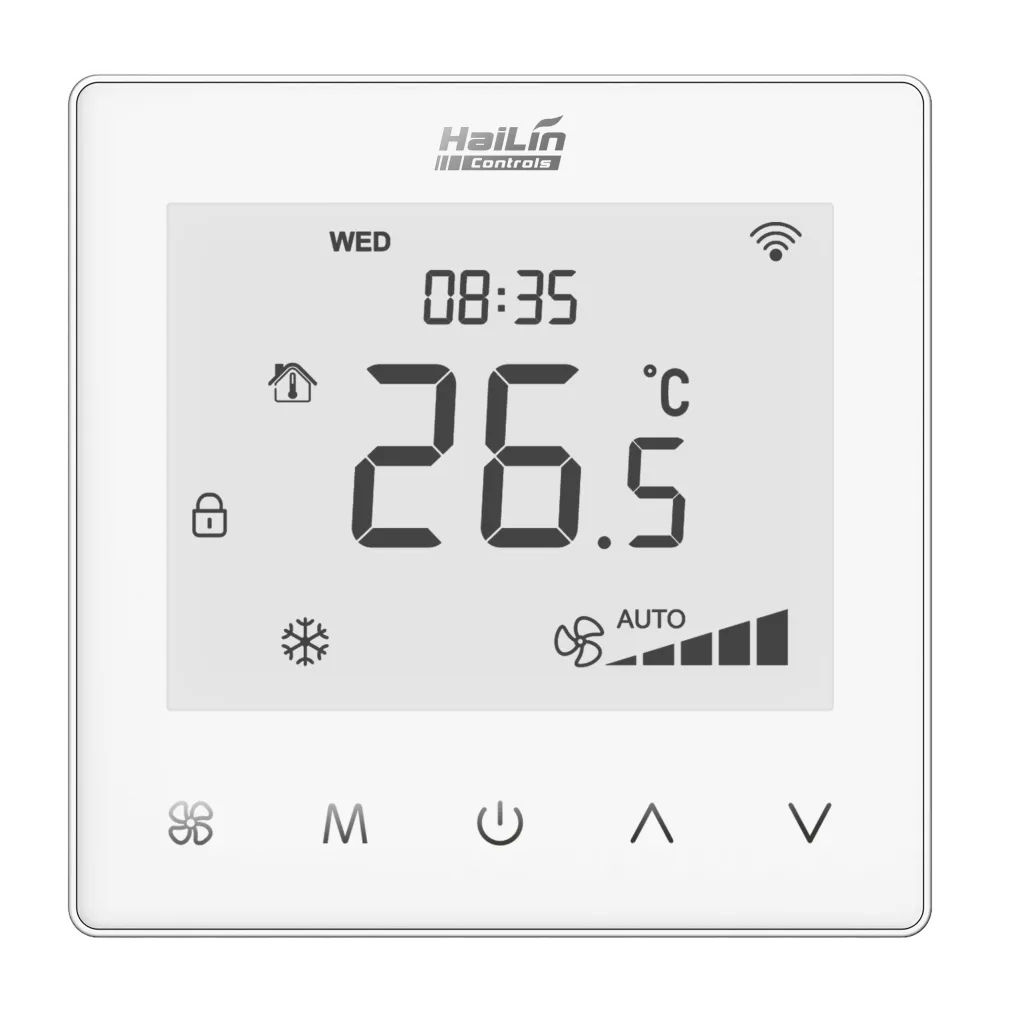
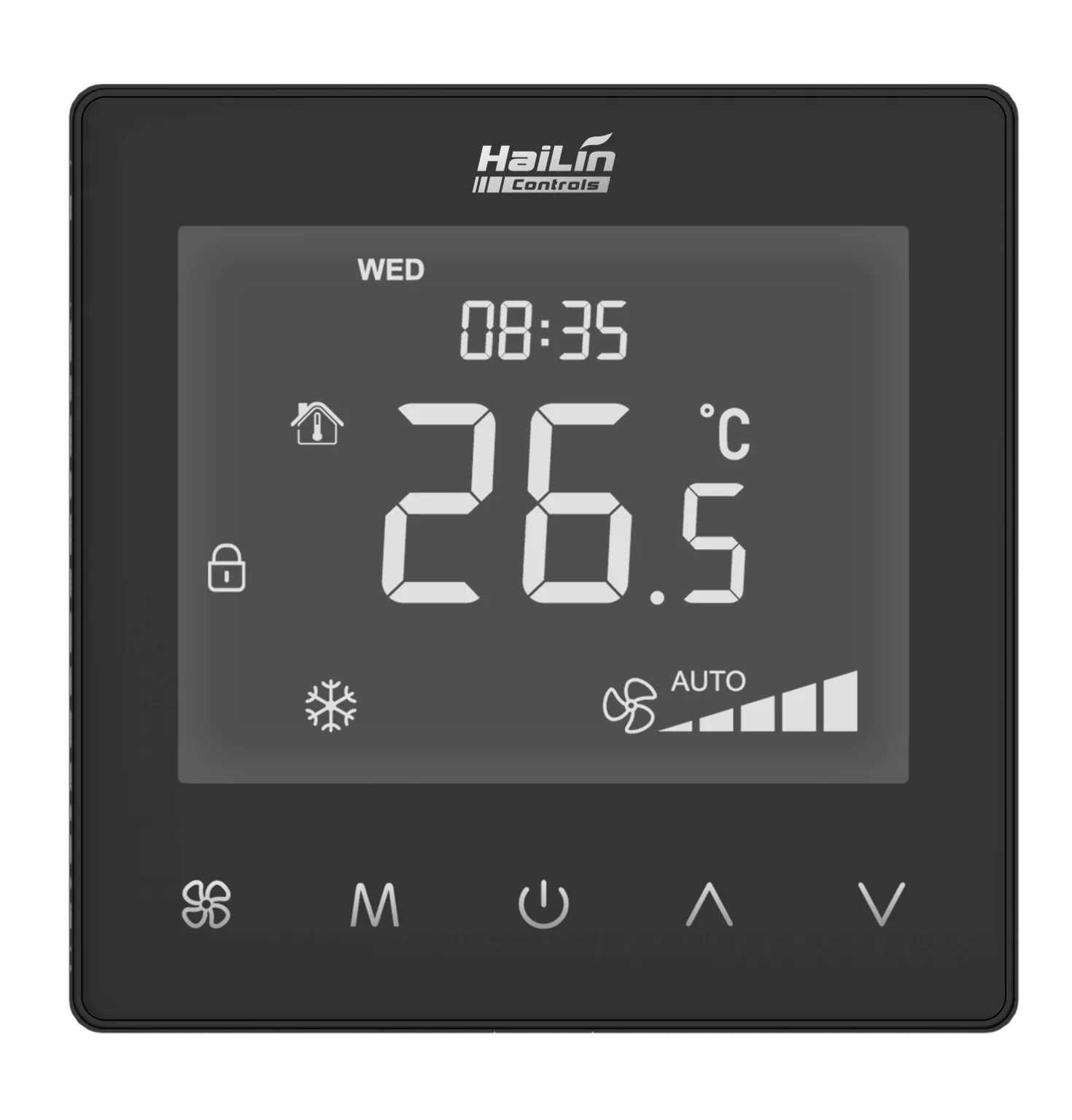
A modulating valve can only perform well when the controller or thermostat driving it is designed for proportional control. A PI thermostat continuously calculates the difference between actual room temperature and setpoint, then sends a proportional signal to the valve.
For example, a PI thermostat may send 6.2V to open the valve to about 62 percent. This allows the system to deliver only the heating or cooling energy needed at that moment. The result is steadier room temperature and less wasted energy.
For projects using Easystat PI thermostats with 0-10V output, pairing them with BV03 modulating ball valves allows the system to use the full benefit of proportional control. If the thermostat is only an on/off model, a modulating valve will not provide the same value because the control logic cannot make use of proportional positioning.
For more background on thermostat selection, see the fan coil thermostat 2-pipe vs 4-pipe buyer’s guide.
Before placing a bulk order, ask the supplier a few practical questions. These answers can help you avoid signal mismatches, poor actuator selection, and hidden reliability issues.
Confirm which control signals the actuator supports, whether 0-10V and 4-20mA can be selected on site, and what type of position feedback is available. If the project is connected to a BMS, make sure the feedback signal matches the system requirement.
Check the full stroke time, actuator torque, fail position after power loss, and IP rating. The actuator must have enough torque to close the valve against the system differential pressure. For humid plant rooms, pipe chases, or outdoor locations, enclosure protection is also important.
Ask whether each actuator is individually tested at different stroke positions. A reliable valve manufacturer should be able to provide torque data, wiring diagrams, functional test information, and certification documents. For certification guidance, see this HVAC controls certifications guide.
Two valves can look similar on a datasheet, but their service life may be very different. The quality of the actuator gear train, valve body material, sealing material, control accuracy, and factory testing all affect long term performance.
Metal gears generally last longer than plastic gears, especially in applications with frequent movement and temperature changes. DZR brass or stainless steel valve bodies offer better corrosion resistance than standard brass in demanding water conditions. PTFE seats and seals can also provide a wider service temperature range than basic EPDM seals.
Factory testing is another major difference. Batch sampling may reduce cost, but 100 percent functional testing gives buyers more confidence. For HVAC projects where commissioning delays are expensive, this detail matters.
Yes, a signal converter can convert one signal type to another. However, converters add another component that can fail. For new projects, it is better to specify the correct actuator signal from the beginning. For retrofit projects, a converter can be a practical workaround when the controller and actuator do not match.
Usually not. The controller estimates position by tracking open and close pulse time. Some higher end floating point actuators offer optional feedback, but the extra cost may make a 0-10V actuator the better choice.
For 0-10V outputs, it may be technically possible if the controller output capacity and actuator input impedance allow it. In practice, one output per valve is usually safer because a single output fault will not affect multiple valves. For 4-20mA loops, one actuator per loop is normally recommended.
Technically yes, but it is usually not economical. If the project only requires on/off control, an on/off valve is the better choice. A modulating valve should be used when the control strategy needs proportional flow regulation.
Reliable Chinese manufacturers can produce high quality electric modulating valves. The key is to evaluate the manufacturing process, not just the country of origin. Look for metal gears, individual functional testing, clear QC documentation, and third party certified quality systems. The same supplier evaluation principles described in this DDC controller supplier evaluation framework can also be applied to valve procurement.
There is no single best control signal for every project. The right choice depends on cable distance, controller hardware, signal stability, control accuracy, and retrofit constraints.
For most new commercial HVAC projects, 0-10V offers the best balance of simplicity, cost, and performance. For long cable runs, industrial environments, and critical systems, 4-20mA is usually the safer choice. Floating point is most useful when working with older controllers that do not have spare analog outputs.
Before ordering, confirm the available controller outputs, measure the longest cable run, check whether PI control is required, and verify the actuator signal type with the supplier. These checks take little time, but they can prevent costly commissioning problems.
HaiLin Controls manufactures BV03 series motorized modulating ball valves supporting 0-10V and floating point control, with optional 4-20mA on larger bore models. Contact the HaiLin valve engineering team for technical datasheets, torque curves, and project specific signal compatibility advice.
We use cookies to enhance your browsing experience, serve personalised ads or content, and analyse our traffic. By clicking "Accept All", you consent to our use of cookies.
We use cookies to help you navigate efficiently and perform certain functions. You will find detailed information about all cookies under each consent category below.
The cookies that are categorised as "Necessary" are stored on your browser as they are essential for enabling the basic functionalities of the site. Show more
Necessary cookies are required to enable the basic features of this site, such as providing secure log-in or adjusting your consent preferences. These cookies do not store any personally identifiable data.
Functional cookies help perform certain functionalities like sharing the content of the website on social media platforms, collecting feedback, and other third-party features.
Analytical cookies are used to understand how visitors interact with the website. These cookies help provide information on metrics such as the number of visitors, bounce rate, traffic source, etc.
Performance cookies are used to understand and analyse the key performance indexes of the website which helps in delivering a better user experience for the visitors.
Advertisement cookies are used to provide visitors with customised advertisements based on the pages you visited previously and to analyse the effectiveness of the ad campaigns.