Newer
Hotel Automation System: How a Full-Service Hotel Reduced HVAC Energy Costs by 22%


English
English
 Deutsch
 Français
 한국어
한국어
 Русский
 Português
 O‘zbekcha
 Español
 עִבְרִית
 العربية
 Türkçe
 Italiano
 Nederlands
 Română
 Čeština
 Suomi
Suomi
 日本語
日本語
 Filipino
 ไทย
ไทย
 മലയാളം
 Українська
 Српски
 Tiếng Việt
 Bahasa Melayu
 Dansk
Dansk
 Svenska
 Norsk
Norsk
 Latviešu valoda
 Български
 Magyar
 हिन्दी
ਪੰਜਾਬੀ
Basa Jawa
हिन्दी
ਪੰਜਾਬੀ
Basa Jawa
 Bahasa Indonesia
 Polski
 Kiswahili
 Ελληνικά
 বাংলা
বাংলা
 فارسی
فارسی
 Беларуская
 中文
中文
 اردو
اردو
 Қазақша
Malay
Tamil
Қазақша
Malay
Tamil
 Khmer
Khmer
 Lao
Lao
 Burmese
English
English
Deutsch
Français
한국어
Русский
Português
O‘zbekcha
Español
עִבְרִית
العربية
Türkçe
Italiano
Nederlands
Română
Čeština
Suomi
日本語
Filipino
ไทย
മലയാളം
Українська
Српски
Tiếng Việt
Bahasa Melayu
Dansk
Svenska
Norsk
Latviešu valoda
Български
Magyar
हिन्दी
ਪੰਜਾਬੀ
Basa Jawa
Bahasa Indonesia
Polski
Kiswahili
Ελληνικά
বাংলা
فارسی
Беларуская
中文
اردو
Қазақша
Malay
Tamil
Khmer
Lao
Burmese
Electric modulating valves are common in HVAC water systems because they can adjust flow gradually, not only open or close. For buyers, engineers, and contractors, the harder part is often not the valve size. It is choosing the right control signal: 0-10V, 4-20mA, or floating point.
Many valves look similar from the outside. The control signal, however, decides whether the actuator can work correctly with a DDC controller, thermostat, or BMS. If the signal type is wrong, the valve may not move, may move to the wrong position, or may cause problems during commissioning.
This article explains how each signal works, where it is usually used, and what to check before ordering an electric modulating valve.
An electric modulating valve is a valve with an electric actuator that can stop at different opening positions between fully closed and fully open. An on/off valve only has two positions. A modulating valve can change water or steam flow more precisely according to the signal it receives.
In HVAC projects, these valves are often used on chilled water coils, hot water coils, fan coil units, air handling units, and plant room piping. Better flow control helps keep room temperature more stable, reduces overshoot, and can lower energy waste.
The control signal is how the controller talks to the valve actuator. A DDC controller may send a voltage signal, a current signal, or separate open and close commands. The actuator must support the same signal type, or the system will not work as planned.
0-10V is one of the most common signals in building automation. The controller sends a voltage between 0 and 10 volts, and the valve moves in proportion to that value. In a typical setup, 0V means fully closed, 10V means fully open, and 5V means about 50 percent open.
The main reason people choose 0-10V is that it is simple. Wiring is straightforward, and most DDC controllers and PI thermostats support it. It works well for fan coil units, AHU coil valves, and mechanical room equipment when the cable run is not too long.
The weak point is distance. On a long cable, voltage drop can make the actuator receive a weaker signal than the controller sends. For most commercial HVAC projects with short or medium cable runs, 0-10V is still a reliable and practical option.
4-20mA uses current instead of voltage to control valve position. In a typical setup, 4mA means fully closed, 20mA means fully open, and 12mA means about 50 percent open.
The main strength of 4-20mA is stability over long cable runs. Current signals are less affected by wire resistance and electrical noise, so they are often used in industrial plants, large mechanical rooms, and projects where the controller is far from the valve.
The 4mA starting point also helps with fault detection. If the signal falls below 4mA, the controller can treat that as a possible broken wire. That is why 4-20mA is often preferred for critical systems, long distance wiring, and higher precision control.
Floating point control works differently. The controller does not send a continuous voltage or current value. It uses two digital outputs instead. One output tells the actuator to open. The other tells it to close. When neither output is active, the valve stays where it is.
This method is useful in retrofit work because some older controllers still have spare digital outputs, but no free analog outputs. A floating point control valve can give a modulating style of control without replacing the whole controller.
The downside is that floating point control does not always know the exact valve position. The controller estimates the position by counting how long it has sent open or close signals. Over time, small errors can build up, so recalibration may be needed.
| Criterion | 0-10V | 4-20mA | Floating Point |
|---|---|---|---|
| Signal type | Voltage | Current | Digital pulse |
| Typical wiring | Signal and common | Loop signal or separate power and signal | Common, open, and close |
| Best use | Commercial HVAC with short to medium cable runs | Long cable runs, industrial sites, and critical systems | Retrofit projects with available digital outputs |
| Noise immunity | Moderate | Excellent | Good |
| Position accuracy | Good | Excellent | Moderate |
| Broken wire detection | No | Yes, when signal falls below 4mA | No |
| Typical cost | Moderate | Higher | Lower |
The control signal should also fit the valve body and the application. A small fan coil valve does not need the same signal setup as a large butterfly valve in a plant room.
In hotels, offices, and retail buildings, 0-10V motorized ball valves are often used on fan coil units. Cable runs are usually short, and 0-10V is accurate enough for comfort cooling and heating.
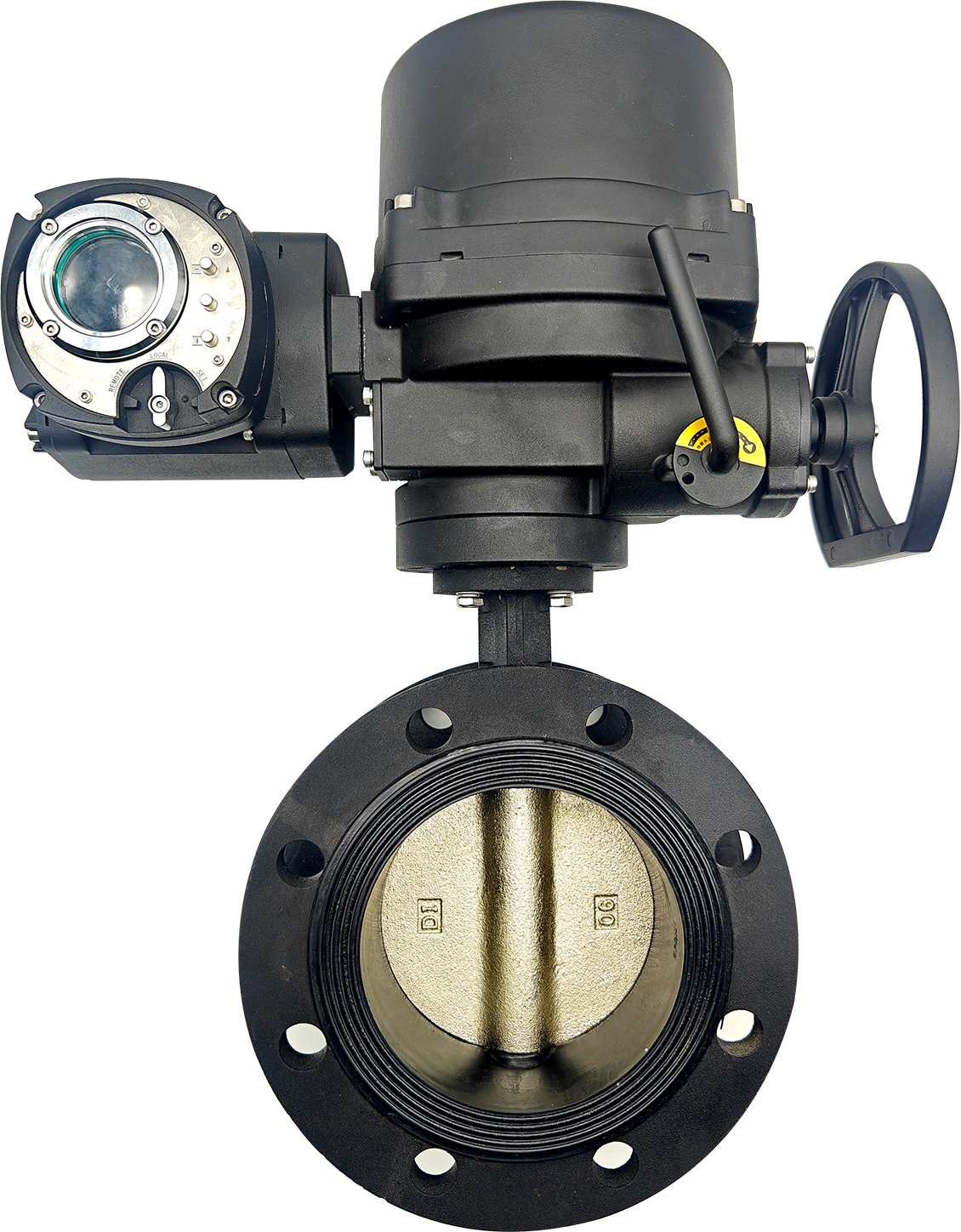
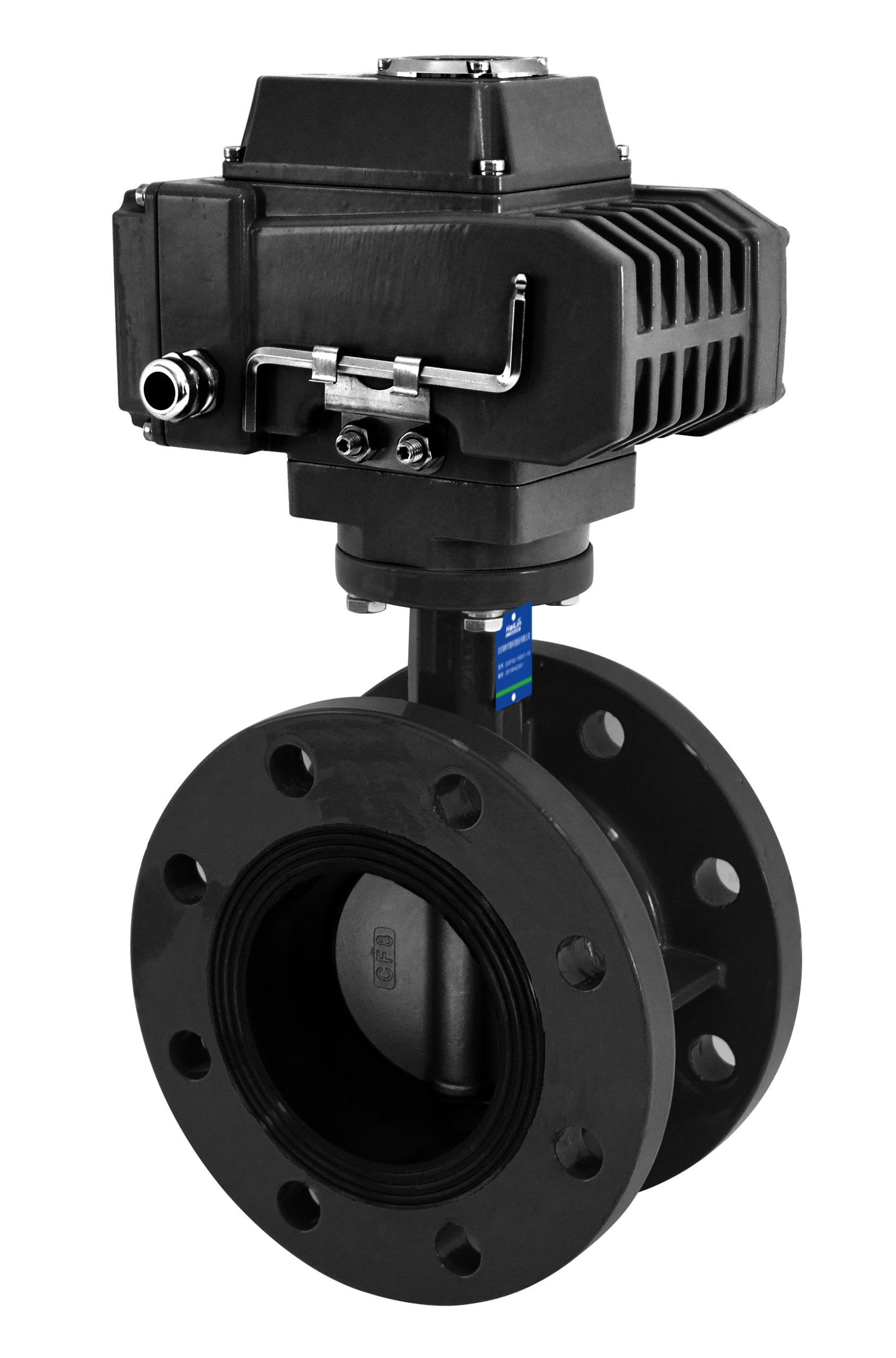
For medium and large valves, such as globe valves and electric butterfly valves, 4-20mA is often the better choice. These valves are more likely to sit in mechanical rooms, plant rooms, or industrial sites, where cable runs are longer and signal stability matters more.
Pressure independent control valves often use 0-10V because the valve itself already handles differential pressure and flow stability. In that case, the signal mainly sets the flow target, rather than fighting pressure changes in the pipe system.
A short checklist can prevent most ordering mistakes. Start with cable distance, then check the controller outputs, site conditions, and the level of control accuracy you need.
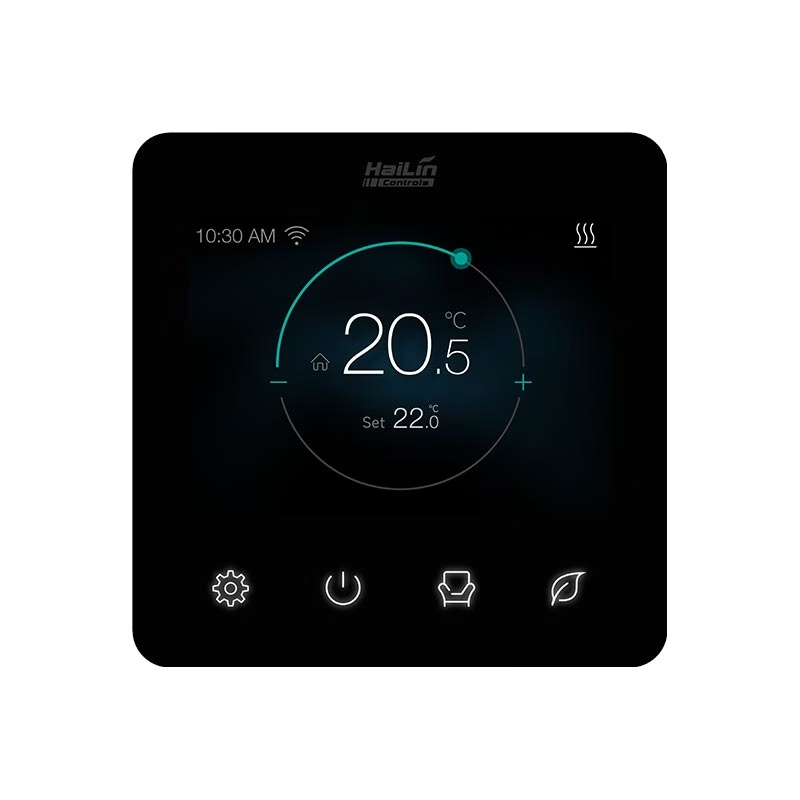
A modulating valve only works well when the thermostat or controller can send proportional control. A PI thermostat compares room temperature with the setpoint and then sends a matching signal to the valve.
For example, a PI thermostat may send 6.2V to open the valve to about 62 percent. That way, the system only delivers the heating or cooling needed at that moment. The room stays more stable, and less energy is wasted.
If you use Easystat PI thermostats with 0-10V output together with BV03 modulating ball valves, the system can make full use of proportional control. If the thermostat is only an on/off model, a modulating valve will not bring much benefit, because the control logic cannot use intermediate positions.
For more background on thermostat selection, see the fan coil thermostat 2-pipe vs 4-pipe buyer’s guide.
Before placing a bulk order, ask the supplier a few practical questions. This helps avoid signal mismatches, weak actuator selection, and quality problems later.
Ask which control signals the actuator supports, whether 0-10V and 4-20mA can be selected on site, and what type of position feedback is available. If the project is connected to a BMS, make sure the feedback signal matches the system requirement.
Check the full stroke time, actuator torque, fail position after power loss, and IP rating. The actuator needs enough torque to close the valve against the system differential pressure. In humid plant rooms, pipe chases, or outdoor locations, enclosure protection also matters.
Ask whether each actuator is tested at different stroke positions. A reliable manufacturer should be able to provide torque data, wiring diagrams, functional test records, and certification documents. For certification guidance, see this HVAC controls certifications guide.
Two valves can look similar on a datasheet and still perform very differently in the field. Gear train quality, valve body material, sealing material, control accuracy, and factory testing all affect service life.
Metal gears usually last longer than plastic gears, especially when the valve moves often or faces temperature changes. DZR brass or stainless steel bodies handle tough water conditions better than standard brass. PTFE seats and seals can also cover a wider temperature range than basic EPDM seals.
Factory testing is another real difference. Batch sampling may cut cost, but full functional testing gives buyers more confidence. On HVAC projects where commissioning delays are expensive, that detail is worth checking.
Yes. A signal converter can change one signal type into another. The problem is that converters add another part that can fail. For new projects, it is better to order the correct actuator signal from the start. For retrofit work, a converter can still be a useful workaround when the controller and actuator do not match.
Usually not. The controller estimates position by tracking how long it has sent open or close pulses. Some higher end floating point actuators offer optional feedback, but the extra cost may make a 0-10V actuator the better choice.
For 0-10V outputs, it may be possible if the controller output capacity and actuator input impedance allow it. In practice, one output per valve is safer, because one fault will not affect several valves at once. For 4-20mA loops, one actuator per loop is normally recommended.
It can, but it is usually not economical. If the project only needs on/off control, an on/off valve is the better choice. Use a modulating valve when the control strategy needs proportional flow regulation.
Yes, they can be. The important point is the manufacturing process, not the country label alone. Look for metal gears, individual functional testing, clear QC records, and third party certified quality systems. The same supplier checks described in this DDC controller supplier evaluation framework can also be used for valve procurement.
There is no single best control signal for every project. The right choice depends on cable distance, controller hardware, signal stability, control accuracy, and whether the job is new construction or a retrofit.
For most new commercial HVAC projects, 0-10V offers a good balance of simplicity, cost, and performance. For long cable runs, industrial environments, and critical systems, 4-20mA is usually safer. Floating point is most useful when older controllers still have digital outputs but no spare analog outputs.
Before you order, confirm the available controller outputs, check the longest cable run, confirm whether PI control is needed, and verify the actuator signal type with the supplier. These checks take little time, but they can prevent expensive commissioning problems later.
HaiLin Controls manufactures BV03 series motorized modulating ball valves supporting 0-10V and floating point control, with optional 4-20mA on larger bore models. Contact the HaiLin valve engineering team for technical datasheets, torque curves, and project specific signal compatibility advice.